Single Drug Quantification
A clear entry point for routine and advanced quantification workflows covering plasma, serum, tissue homogenates, cell lysates, and metabolite-focused measurement scenarios.
Plasma, tissue, cell, and metabolite routes →
Integrated LC-MS/MS-based workflows for discovery and preclinical research.
Our platform brings together quantification, metabolism-related studies, stability assessment, and matrix-aware method strategies to support projects that require both scientific depth and flexible execution.
Program-ready quantification assays for plasma, serum, tissues, cell lysates, and metabolite panels.
Built to speak clearly about recovery, matrix effect, degradation risk, and pathway visibility.
An adaptable platform architecture engineered to support high-throughput processing, scalable sample volumes, and expanding project pipelines.
Built to support analytical work across plasma, serum, tissues, cell lysates, and other matrices that require more careful extraction and control strategies.
Suitable for focused quantification needs as well as broader projects involving metabolism, degradation, interaction risk, or multi-analyte expansion.
Workflows are developed around analytical fit, compound behavior, and study purpose to improve clarity from planning through data delivery.
Our DMPK bioanalytical services are organized around the analytical questions researchers most often need to solve—from targeted quantification and stability assessment to metabolism studies, DDI support, multi-analyte strategies, difficult matrices, and method development. This structure helps visitors identify the most relevant scientific starting point for their compounds, samples, and study goals.
A clear entry point for routine and advanced quantification workflows covering plasma, serum, tissue homogenates, cell lysates, and metabolite-focused measurement scenarios.
Plasma, tissue, cell, and metabolite routes →Best positioned for compounds that require stronger discussion around bench-top stability, freeze-thaw handling, autosampler behavior, stress conditions, or degradation-product visibility.
Forced degradation and stability-indicating design →Dedicated space for pathway mapping, soft-spot logic, metabolite profiling, and biotransformation narratives that do not fit comfortably under simple concentration reporting.
MetID and pathway-focused support →Structured for DDI-driven projects where co-administered analytes, metabolic pathways, or interaction liabilities shape assay design and reporting expectations.
Interaction-aware assay support →Useful when the homepage needs to communicate multiplex efficiency, broader assay economy, and panel logic for related compounds, metabolites, or pathway members.
Multiplex and panel development →A high-value block for low-recovery samples, lipid-rich tissues, sticky analytes, low-volume inputs, difficult lysis buffers, and matrix-effect-prone workflows.
Complex samples and difficult chemistry →Important as a standalone route because many visitors are not buying analysis only—they are buying analytical confidence, fit-for-purpose design, and validation logic.
Method strategy, qualification, and validation →Modern DMPK studies often involve more than routine quantification alone. Compound behavior, sample complexity, metabolic pathways, degradation risk, and method suitability can all shape the quality and usefulness of the final data. Our bioanalytical services are built to address these challenges through a more disciplined and study-aware scientific approach.
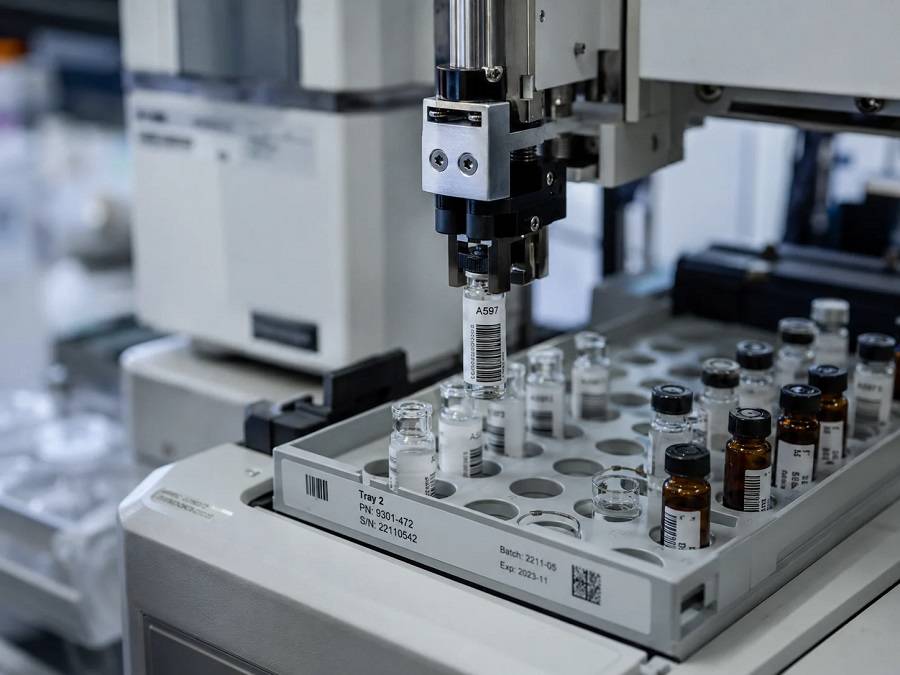
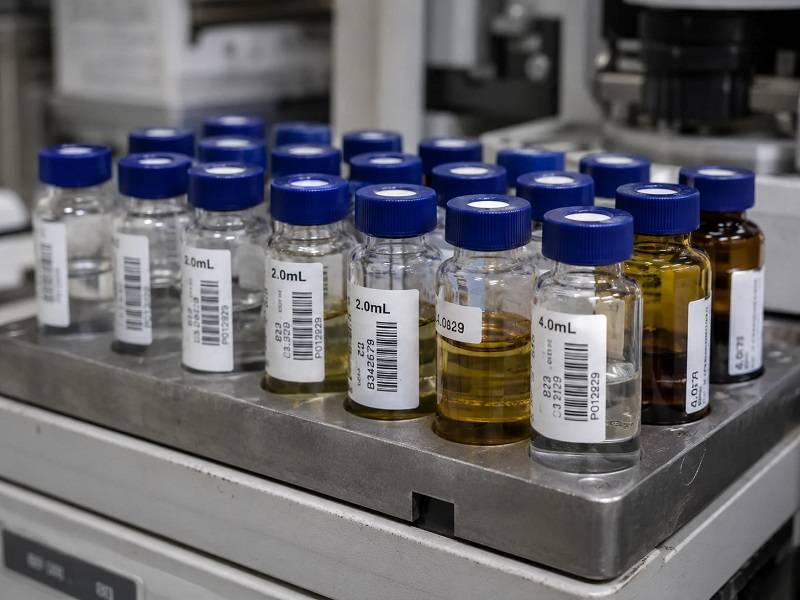
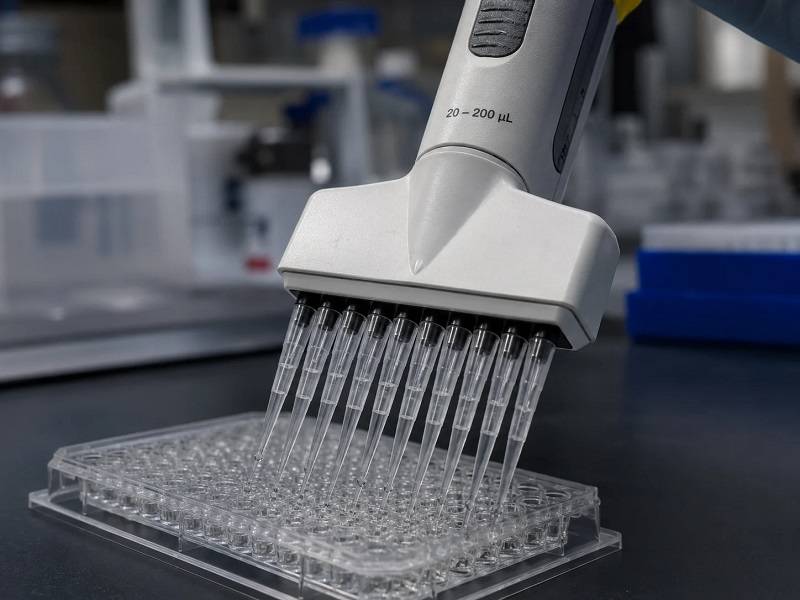
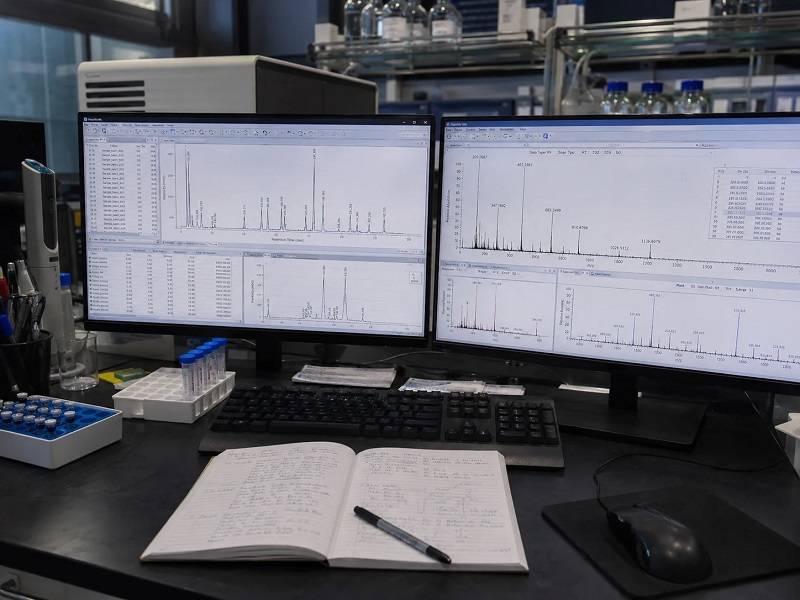
Our DMPK platform supports research teams working with complex compounds, difficult matrices, metabolism-related workflows, and method-sensitive analytical objectives. The emphasis is not only on generating data, but on applying the right analytical logic to the study at hand.
Our projects follow a stepwise analytical workflow designed to align study goals, compound behavior, matrix complexity, and method strategy. Each stage is structured to support clear decision-making and consistent execution from planning through data delivery.
Define analytes, matrices, expected concentration ranges, sample availability, and the scientific questions the study is intended to address.
Evaluate sample complexity, extraction behavior, sensitivity requirements, and whether direct quantification or a broader method strategy is more appropriate.
Establish chromatographic conditions, ion transitions, internal standard strategy, and matrix handling approaches, with attention to stability and analytical robustness.
Perform quantitative analysis with structured QC design, batch control logic, and matrix-aware verification to ensure consistent analytical performance.
Provide organized datasets, concentration summaries, and reporting outputs aligned with the study design and analytical objectives.
Our DMPK bioanalytical services support a wide range of compound types commonly encountered in discovery and preclinical research. Different drug classes often present distinct analytical challenges, and our workflows are designed to adapt to variations in structure, metabolism, matrix behavior, and method requirements.
Useful for concentration workflows, stability-sensitive compounds, and metabolism or interaction narratives tied to anti-infective development programs.
Supports complex exposure questions, metabolite visibility, tissue-oriented workflows, and analytical designs that fit oncology discovery pipelines.
Fits programs that need scalable quantification, panel logic, or clean route-building for established and emerging cardiovascular analytes.
Especially valuable for difficult matrices, tissue distribution narratives, and analytes where low abundance or matrix interference must be addressed carefully.
Provides room for targeted quantification, stability-aware handling, and expanded assay pages for compounds with tighter analytical handling needs.
Strong fit for pathway-driven projects, metabolite tracking, and category expansion into panels, endogenous overlap, or structurally related analyte sets.
Supports pages that require careful discussion of bioanalysis, co-administered compound context, and broader DDI or metabolism-oriented workflows.
Useful for route-specific metabolism stories, liver-related sample logic, and compound classes where degradation or biotransformation messaging matters.
A good anchor for difficult chemistry, low-abundance analytes, structurally diverse compounds, and methods that require stronger customization language.
Beyond analytical services, we provide supporting content to help research teams better understand method selection, matrix challenges, compound behavior, and study planning considerations commonly encountered in DMPK bioanalysis.
A dedicated image area for your laboratory photograph, positioned to reinforce technical credibility, controlled workflows, and ISO 17025-aligned execution.
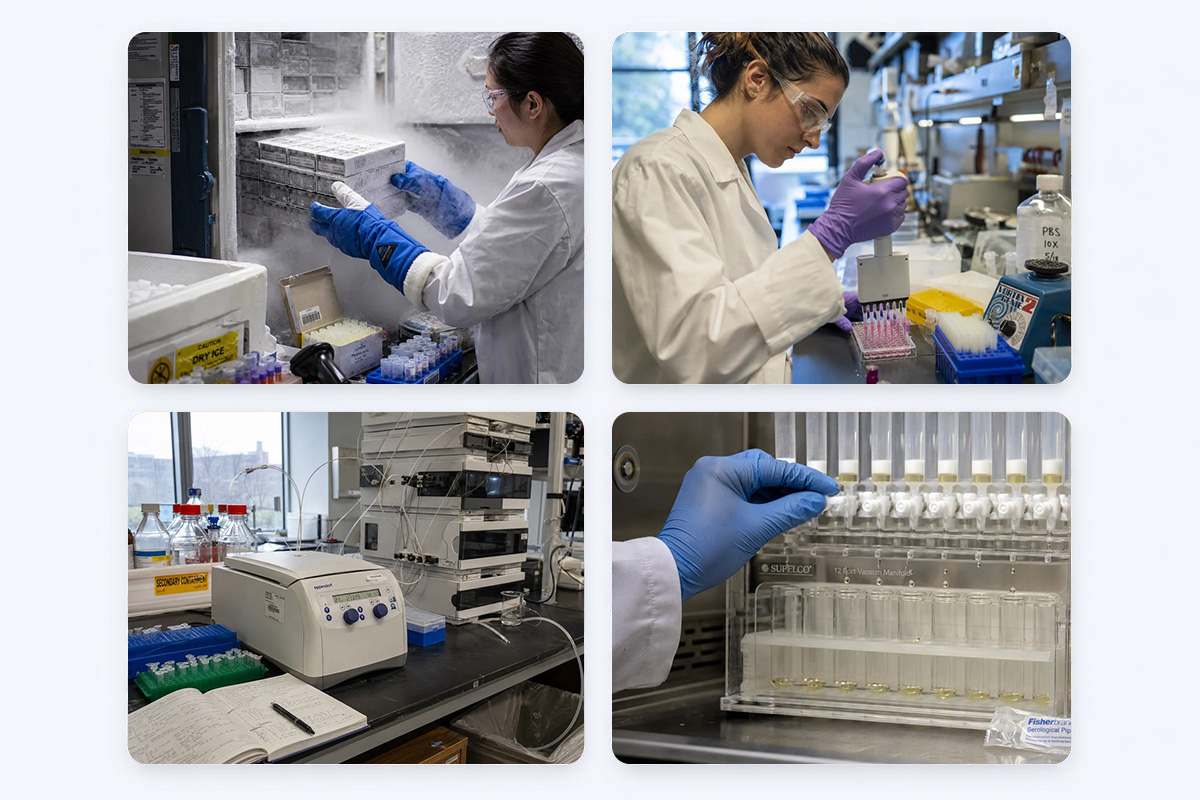
As part of the Creative Proteomics portfolio, this platform is dedicated to DMPK bioanalysis, with an emphasis on quantitative workflows, metabolism-related studies, and matrix-aware analytical strategies for discovery and preclinical research.
We are proud to partner with leading pharmaceutical, biotech, and academic institutions worldwide to advance DMPK research.







Below are common questions related to DMPK bioanalytical services, study planning, and analytical workflows in discovery and preclinical research.