Home / About Creative Proteomics DMPK
ISO 17025–ACCREDITED LABORATORY ENVIRONMENT

About Creative Proteomics DMPK

Creative Proteomics DMPK is a specialized discovery-stage bioanalysis platform supporting compound quantification, metabolism, stability, metabolite identification, and fit-for-purpose method development for Biotech, Pharma, and academic research teams.

Discovery‑Stage DMPKEarly Evaluation

Research‑oriented support for feasibility assessment and analytical decision‑making.

LC‑MS/MS + HRMSIntegrated Workflows

Quantitative and discovery workflows aligned with project objectives.

Method StrategyAdapted Analytical Paths

Existing, adapted, or de novo methods around analyte and matrix requirements.

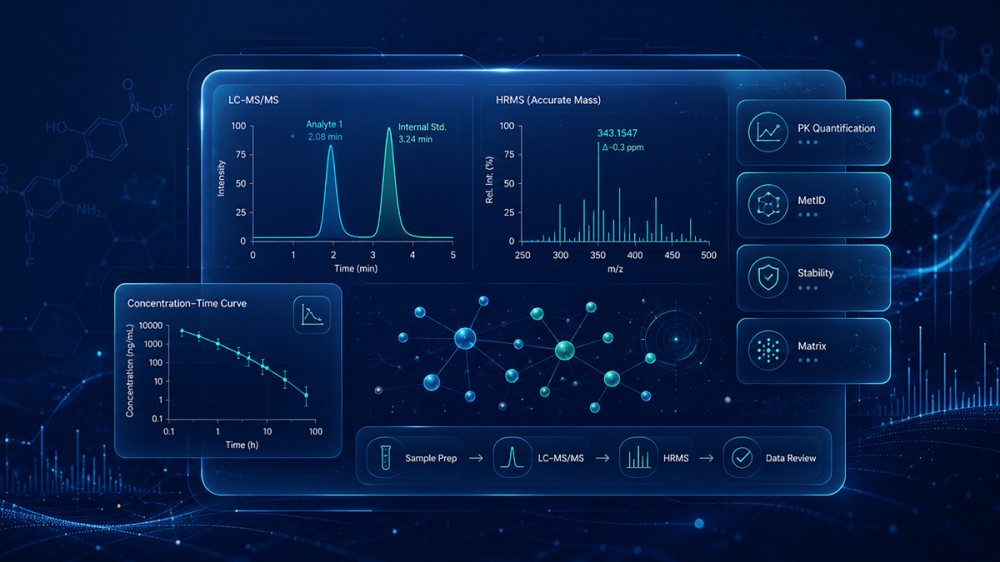
DMPK bioanalysis dashboard illustration
WHO WE ARE

A Dedicated DMPK Platform Built Within Creative Proteomics

Creative Proteomics DMPK was established to support the analytical questions that arise when compounds move into early discovery evaluation. The platform combines Creative Proteomics' broader mass spectrometry experience with a DMPK-focused scope covering quantification, metabolism, biotransformation, stability, matrix-aware bioanalysis, and custom method strategy.

The emphasis is on practical research support: choosing appropriate workflows, recognizing matrix-related challenges, and generating technical outputs that help teams decide what to do next.

DMPK-Specific Analytical FocusConcentrated on early-stage questions around exposure, transformation, stability, and compound behavior.
Cross-Disciplinary MS FoundationBacked by Creative Proteomics expertise in bioanalysis, metabolomics, lipidomics, and analytical development.
Research-Use Project SupportStructured for Biotech, Pharma discovery teams, and academic researchers rather than clinical applications.
PLATFORM SNAPSHOT

A concise view of how the platform supports compound-specific DMPK questions.

Compound BehaviorMethod selection informed by analyte properties and expected biological context.
Matrix ComplexityWorkflow planning adapted to plasma, tissue, cells, microsomes, and custom matrices.
Analytical DepthSupport from targeted quantification to metabolite identification and biotransformation profiling.
Deliverable ValueClear technical outputs designed for interpretation, feasibility review, and next-step decisions.
Research Community

Research Teams Choose Creative Proteomics

Creative Proteomics supports academic, biotech, and pharmaceutical research teams with specialized analytical services. This section is designed for approved institution, collaborator, or customer logos and can be updated with final brand assets before launch.

Logo placement should use approved assets only. The module is intended to communicate institutional familiarity and research-service credibility without adding regulatory or clinical claims.

Capabilities

Core DMPK Analytical Capabilities

The platform is organized around the analytical needs most commonly encountered in discovery-stage DMPK projects, rather than around a long undifferentiated list.

MS

Bioanalytical Quantification and Method Strategy

Targeted bioanalysis is often the anchor of a DMPK project, but the right route depends on sensitivity, expected range, analyte behavior, and matrix background.

  • LC-MS/MS drug quantification
  • Parent-metabolite analysis
  • Multi-analyte panel development
  • Method development and validation support
  • Support for challenging compounds and matrices
MT

Metabolism & Biotransformation

Project-specific workflows for metabolism studies, biotransformation profiling, and metabolite identification using accurate-mass support when needed.

ST

Stability & Degradation

Assess compound stability and degradation behavior to inform analytical feasibility, handling considerations, and study design.

DD

DDI-Related Analytical Support

Analytical support for studies where parent-metabolite relationships or metabolism-linked interactions are part of the research question.

MX

Challenging Sample Contexts

Strategies for low-abundance analytes, unstable compounds, complex biological matrices, and atypical project constraints.

Platform

How the Platform Works

This section combines platform logic, instrumentation, and workflow into one clear story, so the page does not repeat "platform operation" twice.

Sample Preparation LayerMatrix-aware extraction and pretreatment strategies matched to the compound, study context, and sample type.
LC-MS/MS Quantitative LayerTargeted workflows for concentration measurement, parent-metabolite analysis, and throughput-oriented quantitative studies.
LC-HRMS Discovery LayerMetabolite identification, biotransformation profiling, and accurate-mass interpretation when structural insight is important.
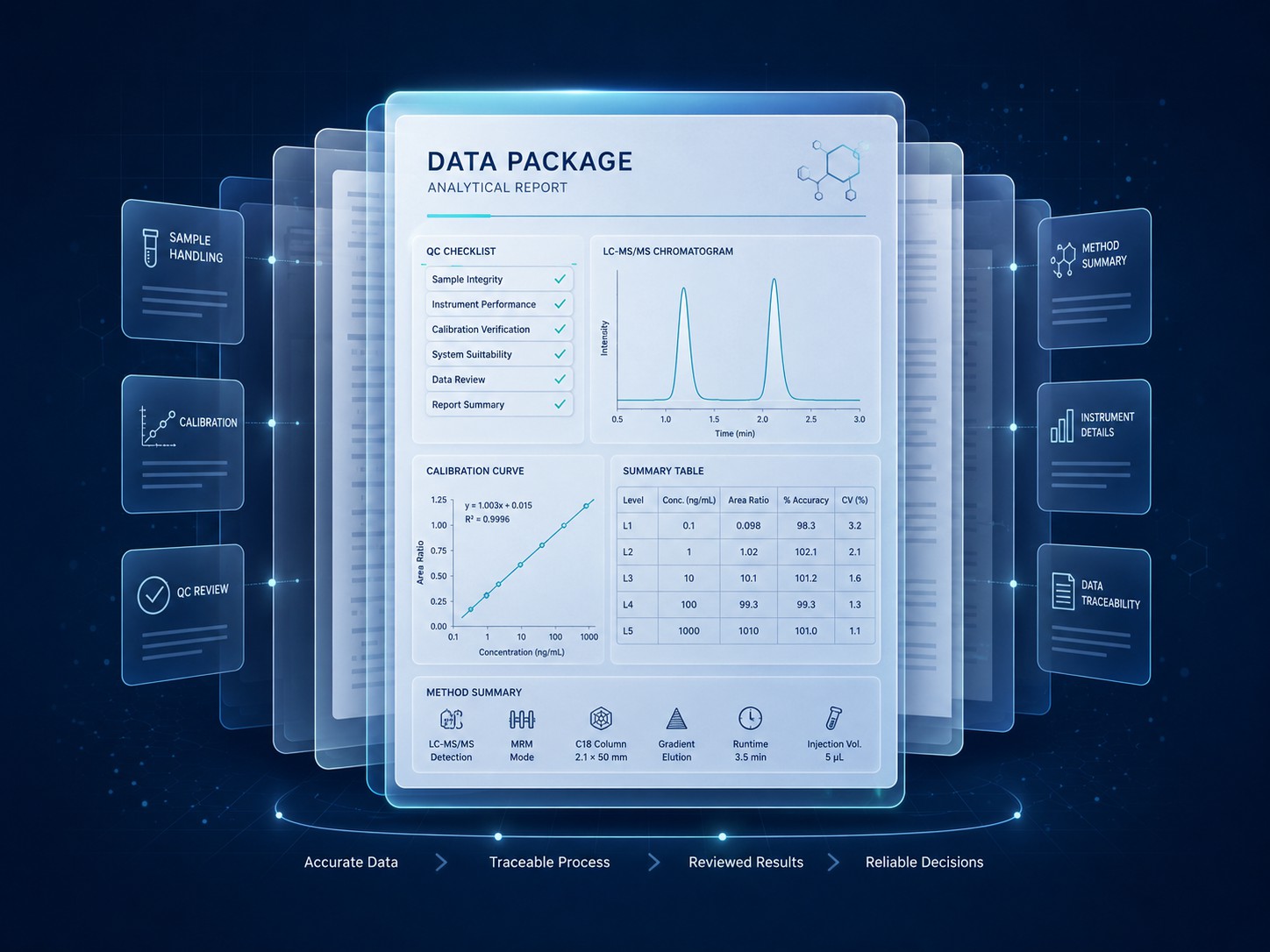
Data Review & DocumentationResult tables, QC summaries, method notes, and project-level technical deliverables organized around the study objective.
Inquiry ReviewConfirm analyte, matrix, sensitivity target, and research objective.
Method PathSelect LC-MS/MS, LC-HRMS, adapted workflow, or de novo method development.
Analysis & ReviewRun project-specific analysis with fit-for-purpose QC and data review.
Technical DeliveryProvide result tables, method notes, QC summaries, and documentation.
Published Studies

Research Contexts from Published Studies

Published studies help illustrate how compound quantification, metabolite profiling, lipid analysis, bile acid measurement, and pathway-level interpretation can support discovery-stage research.

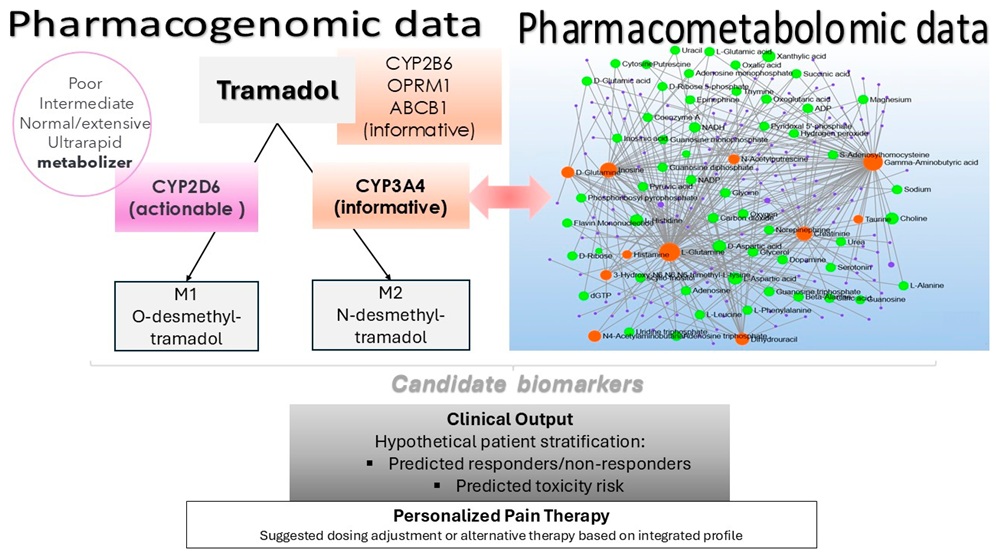
Pharmacometabolomics in Tramadol Research

This study integrated pharmacogenomics and pharmacometabolomics to examine tramadol-related metabolic response. It connected CYP2D6 variation with tramadol-associated metabolite patterns and pathway changes involving phosphatidylcholine, histidine, and lysine metabolism. For DMPK researchers, it shows how compound exposure and metabolite-level interpretation can be evaluated together.

DOI: 10.3390/ph18070971 Read Article

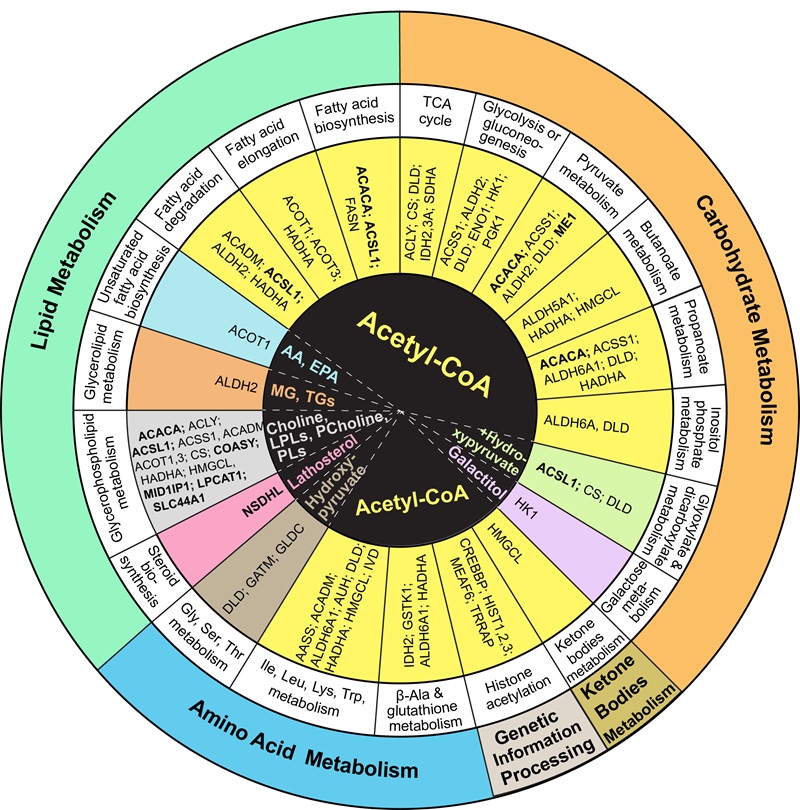
CYP46A1-Linked Multiomics in CNS Research

Using a 5XFAD mouse model treated with low-dose efavirenz, this study explored CYP46A1-related effects through proteome, acetylproteome, and metabolome data. The work highlights how lipid metabolism, acetyl-CoA-related pathways, and molecular remodeling can be studied together in compound-related CNS research.

DOI: 10.1016/j.jlr.2024.100555 Read Article

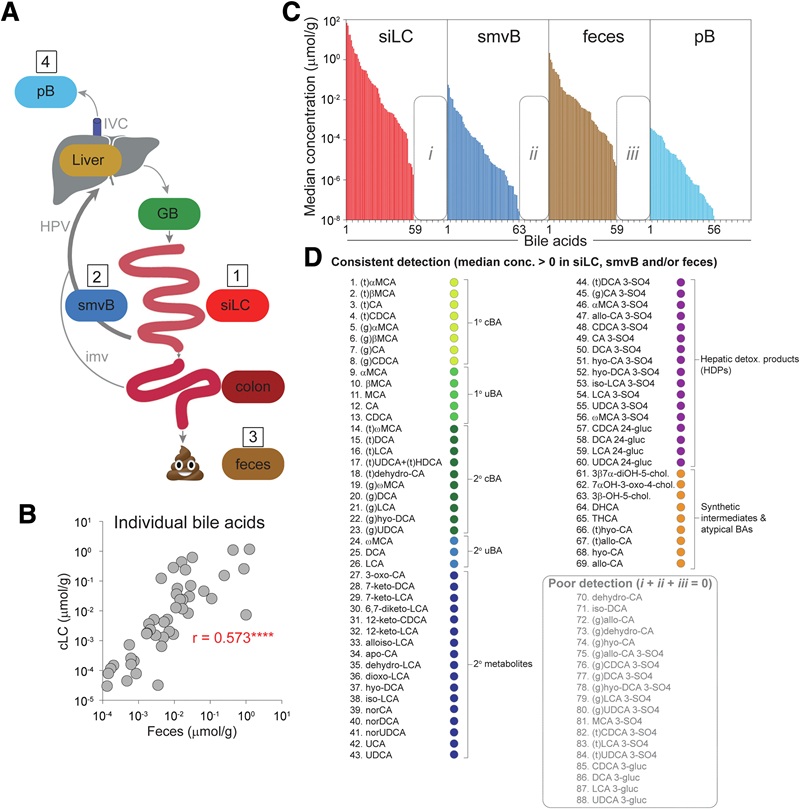
Quantifying Enterohepatic Bile Acid Pools

This study quantified 88 bile acid species and metabolites in mouse intestinal lumen and superior mesenteric vein samples using ex vivo mass spectrometry. It demonstrates how targeted metabolite panels and matrix-specific quantitative workflows can support gastrointestinal, hepatobiliary, transporter-related, and metabolism-focused research.

DOI: 10.1016/j.jcmgh.2024.101392 Read Article

Lipid Metabolism and Drug Resistance in CML

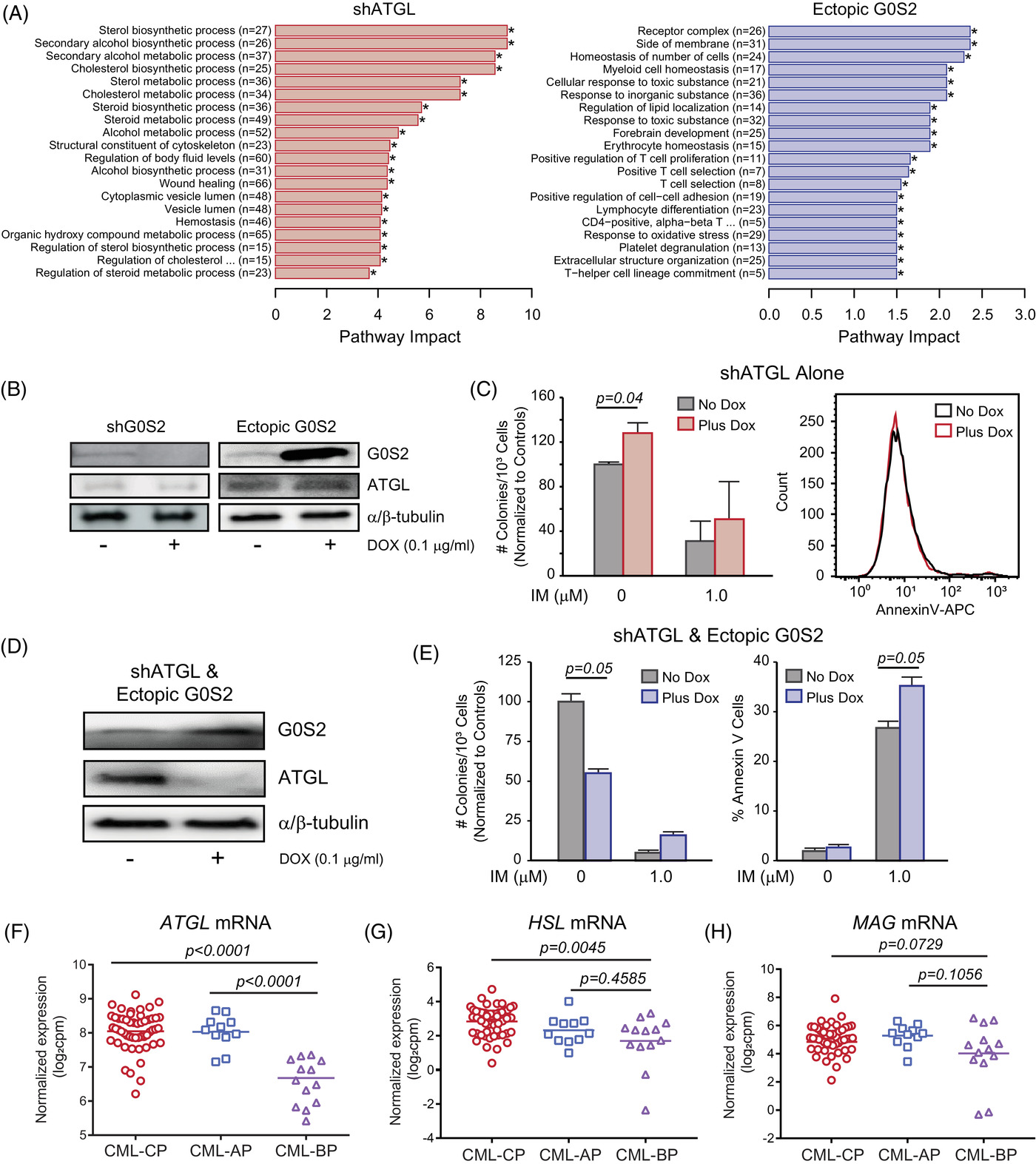
This study linked G0S2 loss with chronic myeloid leukemia progression and tyrosine kinase inhibitor resistance through disrupted glycerophospholipid metabolism. It shows how lipid and metabolite profiling can help interpret drug-response mechanisms, resistance biology, and disease-associated metabolic remodeling in discovery-stage research.

DOI: 10.1002/ctm2.1146 Read Article
Drug Library

Analytical Coverage and Drug Category Library

The library helps frame early feasibility, method planning, and category-level coverage discussions. Final analytical strategy still depends on analyte structure, matrix type, sensitivity requirement, available standards, stability profile, and project scope.

Structured CoverageA clear way to communicate breadth across therapeutic and compound categories.
Planning ValueUseful as a starting point for project intake, assay selection, and feasibility review.

Explore the Drug Library

Quality

Quality, Documentation, and the RUO Boundary

To keep the page clean, the research-use-only boundary is stated once here and supported by the overall page context. The emphasis is on traceable analytical practice, structured documentation, and project-ready outputs rather than exaggerated claims.

Traceable Analytical RecordsSample handling, workflow conditions, calibration logic, QC review, and final result delivery are documented in a structured way.
Technical DocumentationMethod summaries, analytical notes, result tables, and project-level reporting are organized for research interpretation.
Research Use OnlyCreative Proteomics DMPK services are intended for research use only and are not positioned for clinical diagnosis or patient-directed decision-making.
Deliverables

Deliverables and Technical Outputs

A concise summary of the types of outputs researchers may expect, depending on project scope and analytical route.

Quantitative Data Outputs

Result tables, calibration summaries, QC observations, and concentration readouts organized for downstream analysis.

Method Notes

Sample preparation summaries, chromatographic conditions, mass transitions or spectral parameters, and workflow-specific observations.

MetID / Biotransformation Reports

Proposed structures, metabolite lists, accurate-mass observations, and contextual interpretation for project-specific questions.

Technical Documentation Package

An integrated project package aligned with the study objective, helping teams move to their next research decision point.

Start Your DMPK Project

Discuss your analyte, matrix, sensitivity requirement, and study objective with our DMPK team. We can help determine whether a pre-established workflow, a modified method, or a de novo analytical route is most appropriate for your project.

Contact Our DMPK Scientists

Ready to Quantify Your Lead Compound or Metabolite?

Share your matrix type, sample count, and expected range—feasibility routing will confirm whether direct quantification is fit-for-purpose or method development is recommended.

inquiry
Online Inquiry