Background
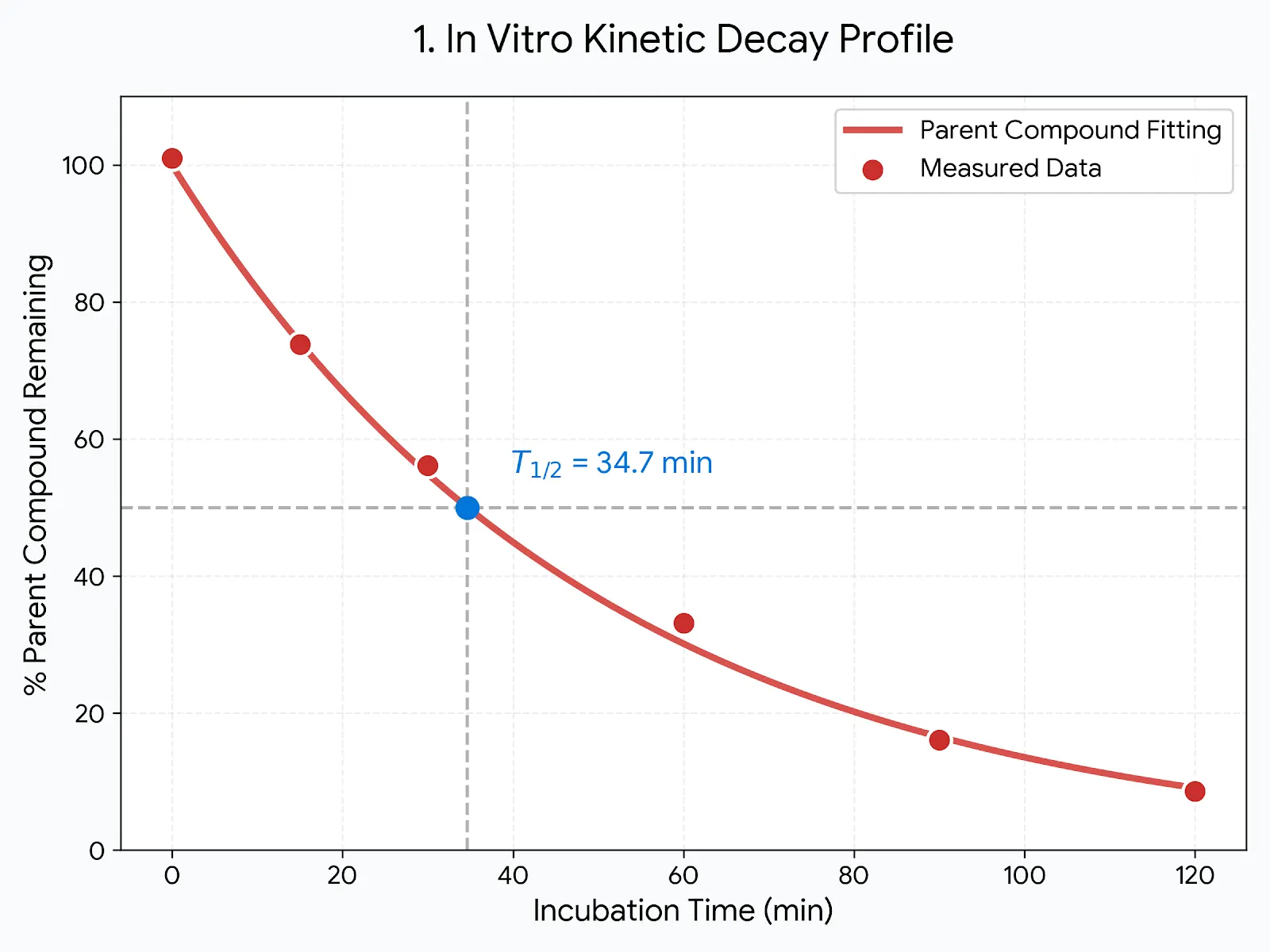
Identifying the specific environmental vulnerabilities of a novel therapeutic is essential before advancing to preclinical safety models. A research team investigating a structurally complex triterpenoid saponin (Ginsenoside Re) urgently needed to map its complete degradation profile. The molecule was highly susceptible to unknown structural changes under varying physiological pH and oxidative stress, but standard UV analysis could not identify which specific bonds were breaking or what transient structures were forming.
Methods
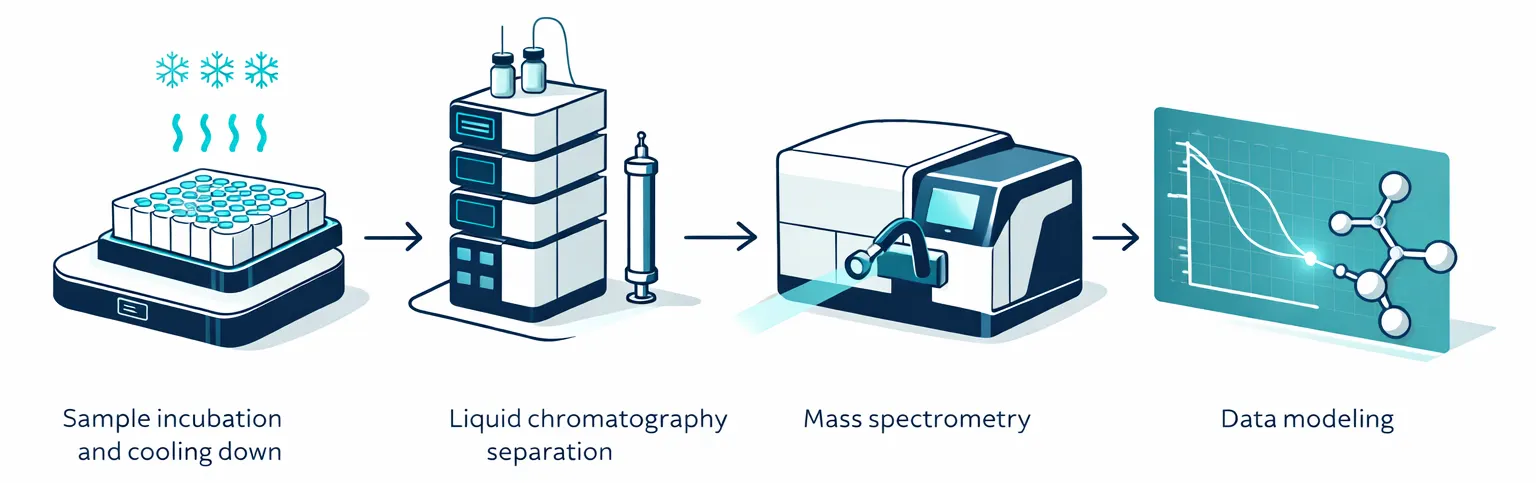
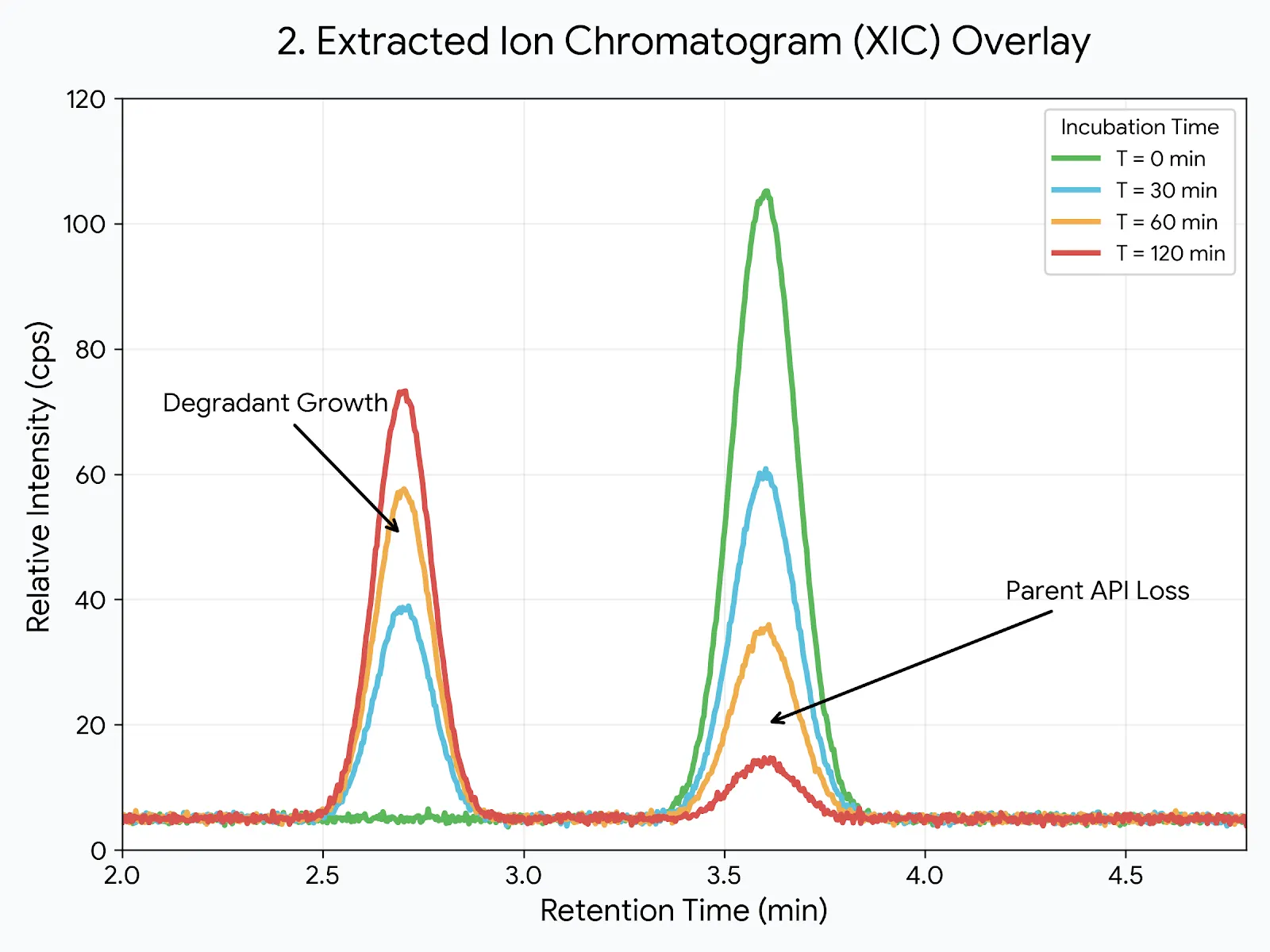
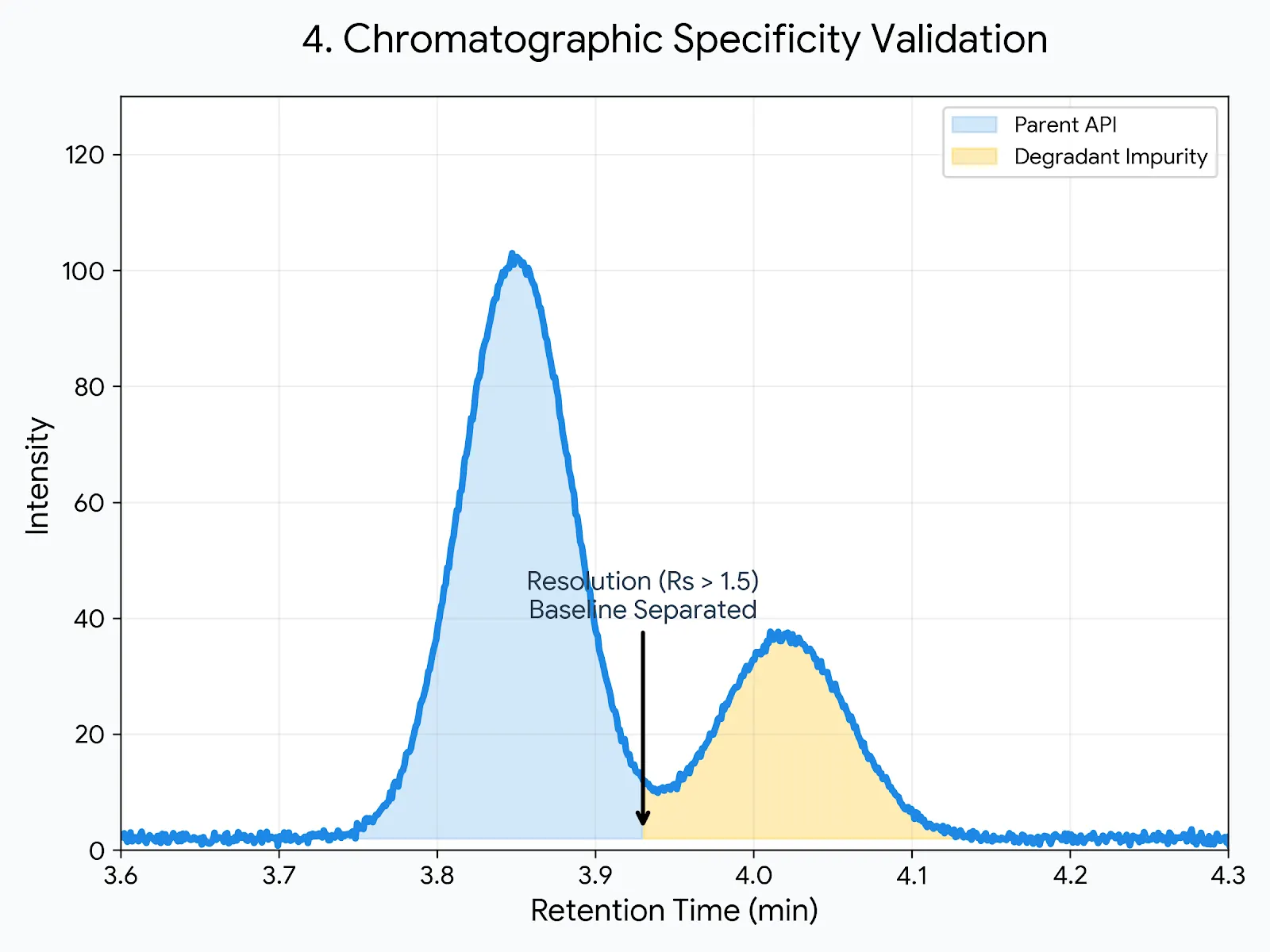
To decode this complex chemical instability, our scientists developed a de novo Ultra-High-Performance Liquid Chromatography High-Resolution Mass Spectrometry (UHPLC-HRMS) methodology. The compound was subjected to exhaustive forced degradation stressors, including acidic/basic hydrolysis (1N HCl/NaOH), aggressive oxidation (30% H2O2), and intense photolytic exposure. A critical component of the method was the rapid deployment of neutralization buffers at precise time intervals to instantly quench the reactions. The UHPLC gradients were heavily optimized to separate the massive parent molecule from structurally similar, trace-level degraded isomers.
Results & Conclusion
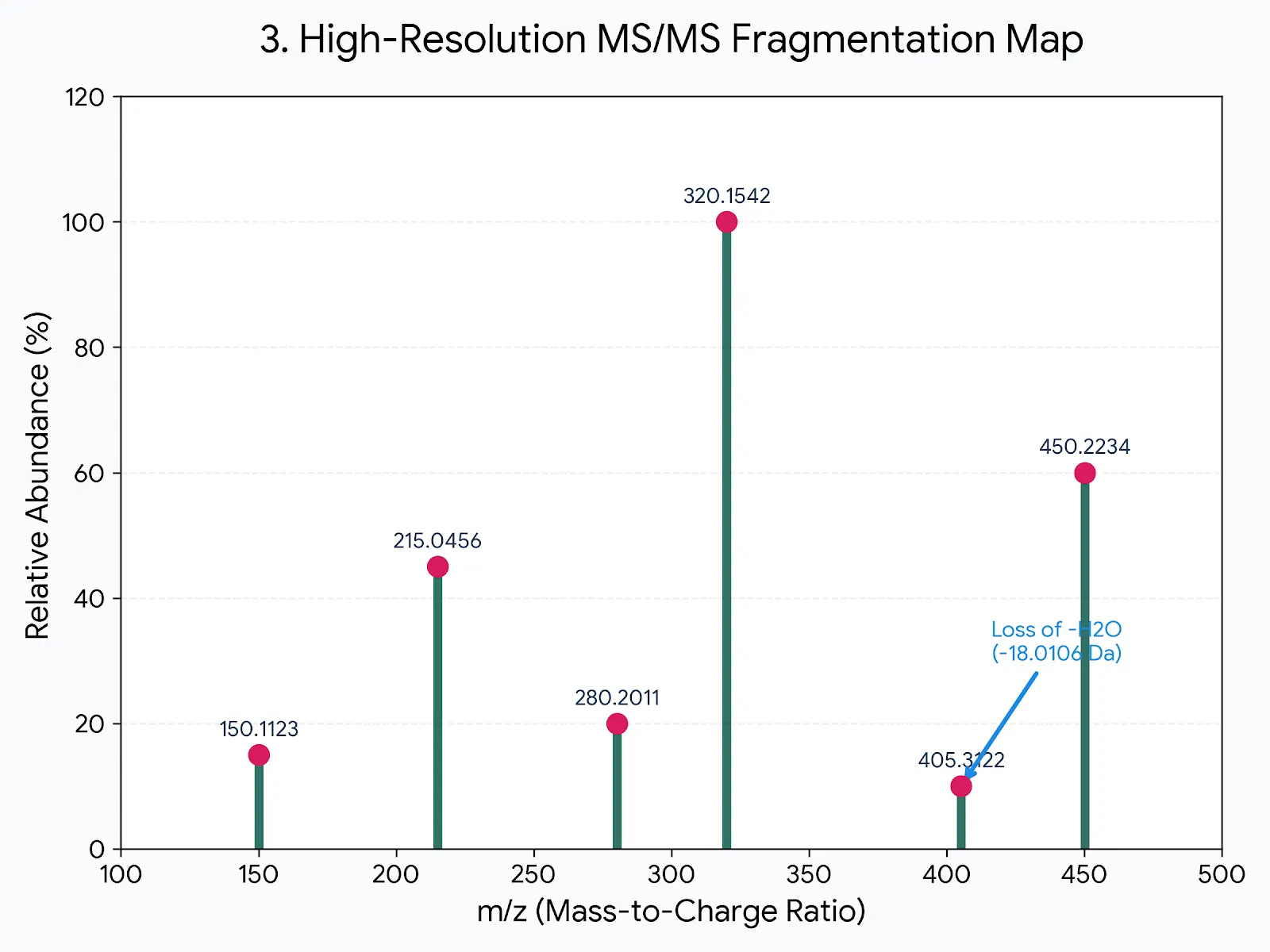
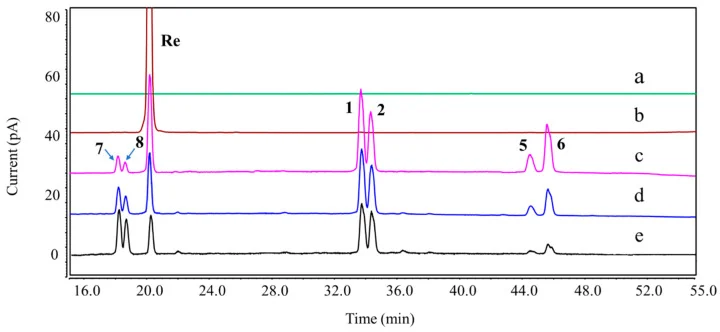
The HRMS method successfully mapped a highly complex degradation tree, definitively characterizing thirteen distinct degradation products. Crucially, nine of these were entirely novel, previously unreported degradants resulting from specific deglycosylation, dehydration, and double-bond oxidation events. By utilizing precise mass-shift data and MS/MS fragmentation patterns, the exact structural modifications were pinpointed.
This study exemplifies the critical difference between merely observing degradation and structurally understanding it. By delivering a comprehensive map of the molecule's specific hydrolytic and oxidative vulnerabilities, the researchers were empowered to strategically redesign the compound's protective delivery vehicle, directly rescuing the project from potential in vivo failure.
For visual verification of the HRMS mass spectra, total ion chromatograms (TIC), and the proposed fragmentation pathways, please refer to Figures 3 and 4 of the peer-reviewed open-access study on the Structural Elucidation of Forced Degradation Products.