What Are Forced Degradation Studies and Why They Matter
Forced degradation studies — also called stress testing — are deliberate, controlled experiments that expose a drug substance or drug product to conditions more severe than those encountered during normal storage. Unlike long-term stability studies that passively monitor quality over months or years, forced degradation actively probes the molecule's chemical vulnerabilities in days to weeks.
The core objectives are fourfold. First, identify degradation products and pathways: what chemical transformations does this molecule undergo under hydrolytic, oxidative, photolytic, and thermal challenge? Second, establish that the analytical method is stability-indicating — capable of resolving the active pharmaceutical ingredient (API) from every degradation product, process impurity, and excipient peak. Third, inform formulation and packaging decisions: if the drug is exquisitely sensitive to moisture, the development team needs to know before stability batch manufacture, not after a 12-month long-term readout. Fourth, support regulatory submissions by demonstrating due-diligence characterization of the degradation landscape per ICH expectations.
A well-designed forced degradation study targets 5–20% degradation of the parent compound. This range is not arbitrary. Below 5%, the degradant population is too sparse to meaningfully challenge method specificity or characterize degradation chemistry. Above 20%, secondary and tertiary degradation products begin to dominate — these are rarely relevant to real-world storage and introduce noise into the chromatographic profile. The goal is to stress enough to populate the degradant space without crossing into chemically irrelevant territory.
At Creative Proteomics DMPK, forced degradation studies are designed as systematic, tiered investigations rather than one-size-fits-all stress panels. Each study protocol is built around the specific chemistry of the molecule — its functional groups, pKa, logP, and known degradation liabilities — rather than a generic checklist of conditions.
Forced degradation covers the chemical stress dimension — hydrolysis, oxidation, photolysis, thermal, humidity. The complementary enzymatic dimension — how esterases, CYP450s, and Phase II conjugation enzymes metabolize the compound in plasma, microsomes, and hepatocytes — is the domain of in vitro compound stability profiling. Together, the two approaches answer the full stability question: does the molecule fall apart on its own, and does the body actively break it down?
ICH Regulatory Framework: Q1A, Q2B, Q3A, Q3B, and the 2025 Consolidated Draft
The regulatory foundation for forced degradation rests on several interconnected ICH guidelines. ICH Q1A(R2) (2003) remains the operative standard globally, requiring stress testing across thermal, humidity, hydrolytic, oxidative, and photolytic conditions for drug substances and products. It also establishes the four climatic zones (I–IVb) that govern long-term and accelerated storage condition selection.
ICH Q2B (1996) / Q2(R2) (2023) define the validation parameters that a stability-indicating method must satisfy: specificity above all, then accuracy, precision, linearity, range, LOD/LOQ, and robustness. If the method cannot baseline-resolve the API from every stress-generated degradant, it fails the specificity criterion — and specificity failure renders the entire stability program uninterpretable.
ICH Q3A(R2) and Q3B(R2) establish the impurity thresholds that determine how much characterization is required: reporting threshold at 0.05% (drug substance) or 0.1% (drug product), identification threshold at 0.1% (or 1.0 mg daily intake, whichever is lower), and qualification threshold at 0.15% (or 1.0 mg/day). These thresholds directly drive the analytical sensitivity requirements for forced degradation studies — if the method cannot detect degradants at these levels, the stress study has not adequately served its purpose.
USP <1086> (Impurities and Forced Degradation Studies) provides complementary guidance on stress testing as part of method development, emphasizing the logical sequence: stress the molecule → resolve the degradants → validate the method.
2025 Consolidated ICH Q1 Draft. In April 2025, the ICH released a Step 2 draft of a fully consolidated stability guideline — 18 sections plus 3 annexes — that replaces the entire Q1A–Q1F series and Q5C. This is the most fundamental overhaul of stability guidance in over 20 years. Key changes directly relevant to forced degradation include: (a) a formal distinction between stress testing and forced degradation testing, with the latter defined as deliberate exposure to extreme pH, humidity, oxidative reagents, photolysis, and heat combinations; (b) expanded scope to biologics, advanced therapy medicinal products (ATMPs), gene and cell-based medicines, vaccines, and combination products; (c) QbD integration aligning stability study design with Critical Quality Attributes per ICH Q8–Q12 and Q14; and (d) new supplementary sections on intermediate processing hold times and in-use stability. Final adoption is expected in 2026. Sponsors designing forced degradation programs today should be aware that the consolidated framework will raise expectations for mechanistic understanding of degradation pathways rather than simple condition-response documentation.
Stress Conditions: Hydrolytic, Oxidative, Photolytic, Thermal, and Humidity Stress
Forced degradation employs five canonical stress categories, each probing a distinct chemical degradation mechanism. The art is in selecting the right conditions — severe enough to generate informative degradant profiles, controlled enough to preserve mechanistic relevance.
Hydrolytic Stress (Acid, Base, and Neutral). Hydrolysis is the most common degradation pathway for small-molecule drugs. Esters, lactones, amides, carbamates, and acetals are the classic susceptible functional groups. Acid hydrolysis typically uses 0.1–1 N HCl, 25–60°C, for 2–24 hours; base hydrolysis uses 0.1–1 N NaOH under the same temperature range. Neutral hydrolysis in purified water at elevated temperature probes pH-independent mechanisms. A critical practical point: always neutralize stressed samples before injection. Acidic or basic sample matrices can damage HPLC columns (silica dissolution below pH 2 and above pH 8 for conventional bonded phases), shift retention times, and cause peak distortion. Neutralize with equimolar base or acid and verify the pH is within the column's operating range.
Oxidative Stress. Hydrogen peroxide (0.3–3% H2O2, ambient to 40°C, 1–24 hours) is the standard electrophilic oxidant. Sulfides, thioethers, tertiary amines, and electron-rich aromatics are primary targets. For radical-mediated oxidation pathways — increasingly recognized as relevant to long-term solid-state degradation — radical initiators such as AIBN (azobisisobutyronitrile) or metal ion catalysts (Fe2+, Cu2+) can supplement the peroxide approach. A practical consideration: H2O2 solutions degrade over time, and their effective concentration can vary significantly. The 2025 Science of Stability conference highlighted this variability as a source of inter-laboratory inconsistency in oxidative stress studies. Always quantify peroxide concentration before use, and quench residual peroxide (sodium bisulfite or catalase) before LC injection to avoid on-column oxidation artifacts.
Photolytic Stress. ICH Q1B defines the standard: samples are exposed to not less than 1.2 million lux-hours of visible light and 200 W·h/m2 of near-UV (320–400 nm). Both Option 1 (xenon lamp with filters to simulate D65/ID65 emission) and Option 2 (cool white fluorescent + near-UV fluorescent lamps) are acceptable. A mandatory dark control — identical sample wrapped in aluminum foil, exposed in parallel — distinguishes true photodegradation from thermal degradation occurring during the exposure period. Photolytic mechanisms include bond homolysis, Norrish-type cleavage, photooxidation, and cis-trans isomerization. For photolabile compounds, the forced degradation result directly informs packaging requirements: amber glass, aluminum blister, or opaque HDPE containers.
Thermal Stress. Dry heat (60–80°C, up to 7–14 days for drug substance; 50–70°C for drug product) primarily probes solid-state degradation kinetics and supports Arrhenius-based shelf-life prediction as supportive data. Moist heat (40–60°C with humidity control) adds a hydrolytic dimension. The key analytical readout is not just parent loss but also the appearance of thermal degradants and any solid-state changes (polymorph conversion, amorphous-to-crystalline transition) detectable by DSC or XRPD.
Humidity Stress. Exposure to 75–90% relative humidity at 25–40°C for 3–14 days probes moisture sensitivity. This is particularly important for drug products containing hygroscopic excipients, for lyophilized formulations, and for compounds prone to hydrolytic degradation where water activity, not just temperature, drives degradation rate. Humidity stress often reveals that the drug product degrades faster than the drug substance under identical nominal conditions — the excipient matrix can act as a water reservoir or a catalytic surface.
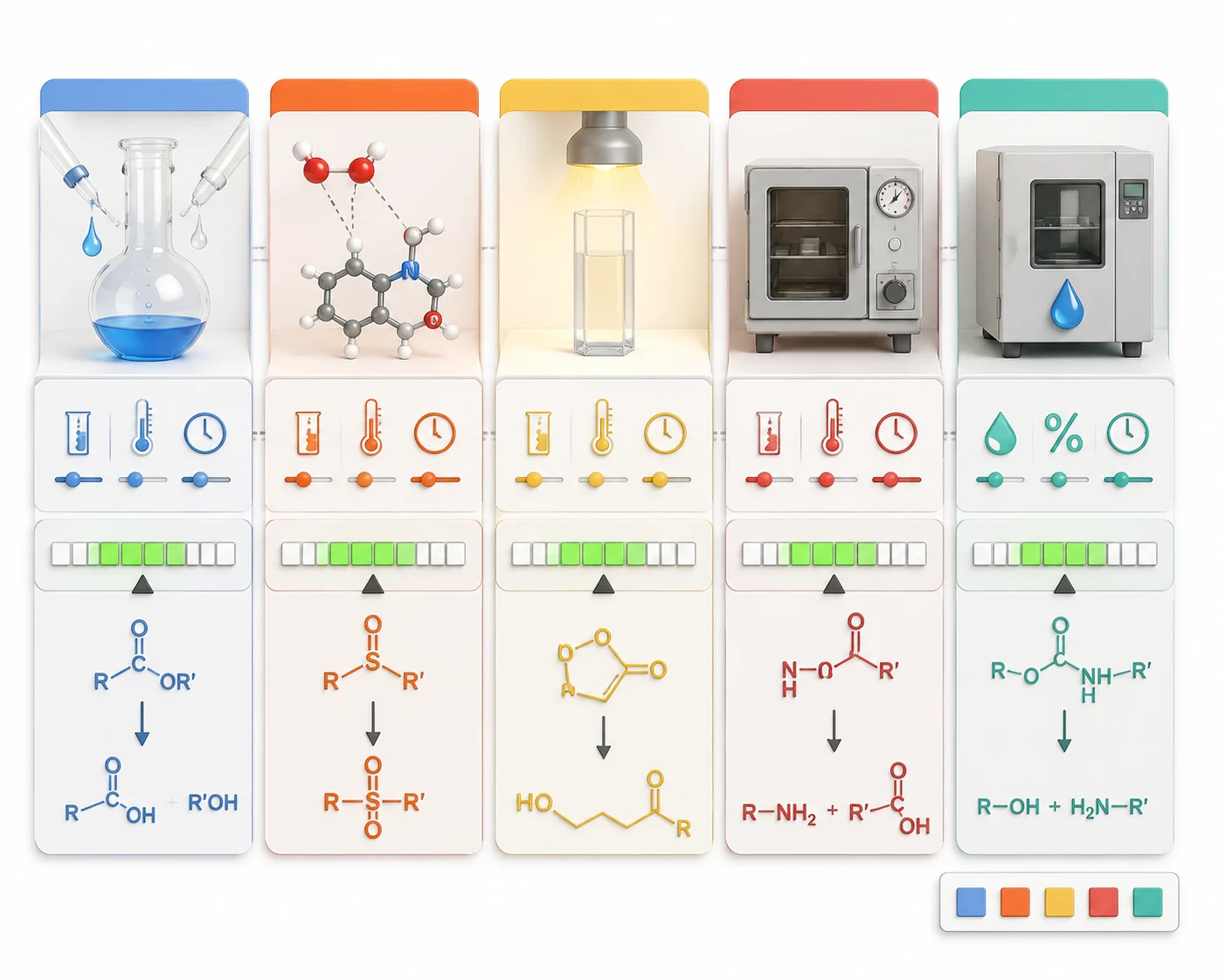 Figure 1: Forced Degradation Stress Condition Design Matrix
Study Design: API vs Drug Product, Solid vs Solution State
A forced degradation study for a drug substance is not the same as one for a drug product, and conflating the two is a common regulatory submission deficiency.
Drug Substance (API) Studies. The objective is to map the intrinsic chemical degradation landscape of the molecule — independent of excipient effects. The API is stressed in both solution and solid state. Solution-state stress (in appropriate solvents — typically water, aqueous buffers, or water-acetonitrile mixtures) accelerates hydrolysis and oxidation by maximizing molecular mobility and reagent contact. Solid-state stress (dry powder under thermal or humidity challenge) probes the degradation behavior relevant to bulk API storage. If the API is poorly soluble in aqueous systems, a co-solvent (acetonitrile, methanol, DMSO at minimal concentration) is acceptable but must be documented and justified — the co-solvent should not participate in the degradation chemistry.
Drug Product Studies. Here the objective shifts: the question is not just "how does the molecule degrade?" but "how do the excipients, manufacturing process, and packaging influence degradation?" The drug product is stressed as a whole — tablet, capsule, or reconstituted solution — alongside a placebo (excipient blend without API). The placebo control is essential: it reveals which chromatographic peaks originate from excipient degradation rather than API degradation, preventing misidentification of formulation components as drug-related degradants.
Key Design Variables. Several decisions shape the study design:
Concentration. For solution-state stress, API concentration should be sufficient for analytical detection of degradants at 0.05% levels but not so high as to cause precipitation or aggregation. Typically 0.1–1.0 mg/mL in the stress medium.
Temperature Escalation Logic. Start at ambient or mildly elevated temperature (25–40°C). If no degradation is observed after 24 hours, escalate to 50°C, then 60°C, then 70°C. At each step, monitor for degradation kinetics that indicate a meaningful stress response. If 80°C produces no degradation after 7 days, document this — the molecule is unusually stable — and do not escalate further; the conditions have already exceeded any realistic storage scenario.
Duration. Stress duration should be driven by degradation kinetics, not a fixed clock. Monitor at multiple time points (e.g., 0, 2, 4, 8, 24 hours for solution stress; 0, 3, 7, 14 days for solid-state) and stop when 5–20% degradation is reached. If 20% degradation occurs at 2 hours for acid hydrolysis, the 24-hour sample is unnecessary and may generate misleading secondary degradants. Conversely, if no degradation is seen after 24 hours at 60°C, extend the duration rather than immediately escalating temperature.
Solid vs Solution State for API. Solution stress is more aggressive — it maximizes reagent contact and molecular mobility — and is therefore the primary screen for degradation pathway mapping. Solid-state stress is more relevant to bulk storage behavior and can reveal mechanochemical degradation (e.g., milling-induced amorphization accelerating hydrolysis) that solution stress misses.
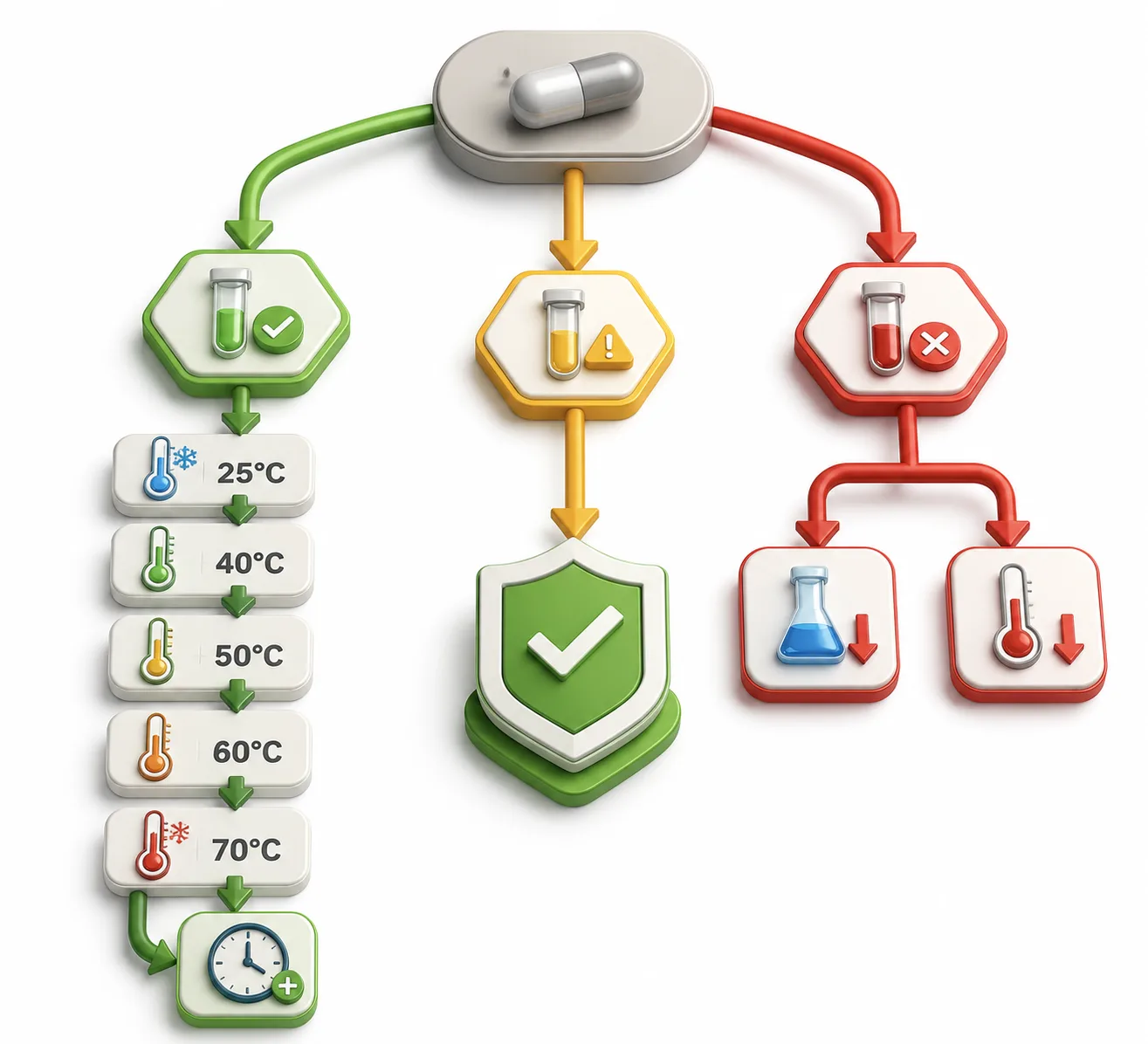 Figure 2: Stress Escalation Decision Tree
Mass Balance: The >95% Target, Acceptable Windows, and Troubleshooting
Mass balance is the accountant's view of a forced degradation experiment: does the sum of remaining parent drug plus all observed degradation products equal the initial amount of parent drug? In practice, perfect 100% mass balance is rare. The widely accepted target is 95–105% of initial.
Why Mass Balance Matters. Poor mass balance is a red flag for both the analytical method and the degradation study design. If the method is detecting only 85% of the original mass after stress, either (a) degradants are present but not detected — the method lacks adequate detection capability — or (b) degradants are detected but under-quantified due to response factor differences. Both scenarios undermine confidence that the method is truly stability-indicating and that the degradation profile has been adequately characterized.
The Calculation. Mass balance (%) = [(Assay of stressed sample + Sum of degradant peaks) / Assay of unstressed control] × 100. The unstressed control must be analyzed in the same sequence as the stressed samples, ideally at the same nominal concentration, to normalize for day-to-day detector variability.
Common Causes of Mass Imbalance and Their Fixes.
Response Factor Differences (Most Common). UV detection at a single wavelength — typically 220–254 nm for HPLC methods — assumes all degradants absorb with the same molar extinction coefficient as the parent. This assumption is almost always wrong. A degradant lacking the parent's chromophore will be under-detected or invisible at the monitoring wavelength. The fix: use a multi-wavelength or full-spectrum (DAD) detector to capture degradants at their absorption maxima, or supplement UV with a universal detector such as charged aerosol detection (CAD) or evaporative light scattering detection (ELSD) for mass balance verification. LC-MS with total ion current (TIC) can also help, though TIC response factors vary even more than UV.
Non-UV-Active Degradants. Small neutral molecules — water, CO2, HCl, formic acid — are common degradation byproducts (e.g., hydrolytic cleavage of an ester produces the corresponding acid and alcohol; dehydration produces water). These have negligible UV absorption above 200 nm and will never appear on a conventional HPLC-UV chromatogram. The mass deficit from these species is legitimate and expected — document it, estimate the stoichiometric mass contribution, and explain it in the regulatory submission.
Volatile Degradants. Low-molecular-weight aldehydes, ketones, and organic acids can evaporate during sample preparation or be lost during the stress experiment itself, especially under thermal stress conditions. Headspace GC-MS can capture and identify volatile degradants if mass balance deficits suggest their presence.
Poor Recovery. Degradants may adsorb to container surfaces (glass, polypropylene), precipitate from solution, or be lost during filtration or extraction. Recovery checks — spiking known degradants into the stressed matrix and measuring recovery — diagnose this problem.
Chromatographic Issues. Degradants may co-elute with the parent peak (masked by the large parent signal), elute in the void volume (highly polar species not retained on a reversed-phase column), or never elute from the column (highly non-polar species retained on the stationary phase). The fix: gradient elution spanning 5–95% organic, combined with a second orthogonal column chemistry or HILIC mode for polar degradant capture.
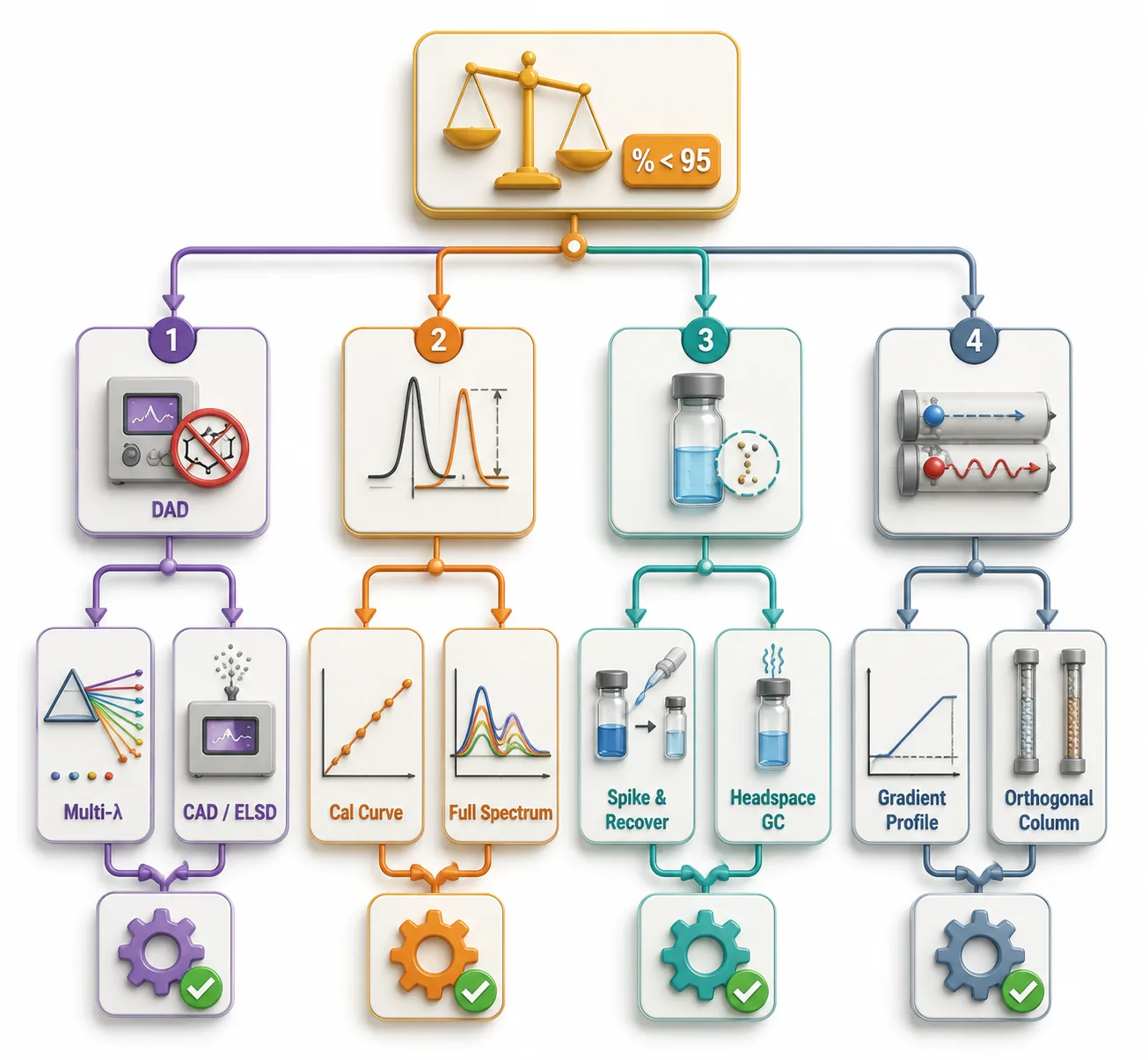 Figure 3: Mass Balance Troubleshooting Flowchart
Forced Degradation in Analytical Method Validation Context
Forced degradation is not an isolated exercise — it is the upstream prerequisite that makes downstream method validation meaningful. The logical sequence is: stress the molecule → resolve the degradants → validate the method as stability-indicating → use the validated method for long-term stability monitoring.
Specificity Demonstration. The pivotal output of forced degradation for method validation is the specificity data package. Regulators expect to see chromatographic evidence that the method resolves the API from all stress-generated degradants under each stress condition, with a resolution factor (Rs) of at least 1.5 between the API and the nearest-eluting degradant. Peak purity analysis using photodiode array (PDA) detection provides complementary evidence — a purity angle less than the purity threshold across the API peak indicates spectral homogeneity. However, peak purity alone is insufficient: co-eluting degradants with near-identical UV spectra to the parent will pass PDA purity checks but remain undetected. Orthogonal confirmation — a second column chemistry, LC-MS trace, or both — closes this gap.
Integration with the Full Validation Package. Once forced degradation has established method specificity, the remaining ICH Q2(R2) validation parameters — accuracy, precision, linearity, range, LOD/LOQ, and robustness — are evaluated using the same chromatographic conditions. This integration is not always seamless: a method optimized for maximum resolution of stress degradants may have a longer run time than ideal for routine batch analysis. The tension between "maximal resolving power for degradants" and "practical throughput for QC release" is real and should be acknowledged in the method development narrative.
System Suitability Criteria. The forced degradation study should inform system suitability criteria, not the other way around. If a specific degradant elutes close to the API under the validated conditions, system suitability should include a resolution requirement between that degradant and the API — not just the generic "resolution NLT 2.0 between API and nearest peak" copied from a compendial monograph. Stress-revealed risks should drive tailored suitability criteria.
For laboratories that lack in-house forced degradation capabilities, custom method development services can bridge the gap — particularly for NCEs where no compendial method exists and the degradation profile is unknown at the outset. The stress study becomes the starting point from which a fit-for-purpose, stability-indicating method is built.
From Forced Degradation to Degradant Identification: The Handoff
The end of a forced degradation study is the beginning of a degradant structural elucidation investigation — but only when regulatory thresholds are triggered. ICH Q3A/Q3B require identification of any degradant present at or above the identification threshold (0.1% for drug substance, or 1.0 mg daily intake). Degradants below this threshold require reporting but not structural characterization, unless they are unusually potent (e.g., genotoxic impurities per ICH M7).
The Handoff Workflow. When a stress-generated degradant exceeds the identification threshold, the analytical chemistry shifts from quantitation (how much?) to structural elucidation (what is it?). The workflow proceeds through escalating analytical depth:
Step 1 — LC-HRMS for Molecular Formula. Accurate mass measurement (±1–3 ppm on Q-ToF or Orbitrap instruments) assigns an elemental composition to the degradant. Comparing this formula to the parent drug's formula reveals the net chemical transformation: +O suggests oxidation; −CH2 suggests N- or O-demethylation; +H2O suggests hydrolysis with ring-opening or ester cleavage.
Step 2 — MS/MS Fragmentation. Fragmentation spectra of the degradant are compared to the parent drug's fragmentation pattern. Diagnostic neutral losses and fragment ions that are conserved between parent and degradant localize the modification site; those that shift or disappear pinpoint the region of structural change.
Step 3 — Complementary Techniques When Needed. If MS data leaves ambiguity — for example, two plausible isomeric structures that would produce similar fragmentation — 1H and 13C NMR of the isolated degradant (via preparative HPLC) provide definitive structural confirmation.
Throughout this handoff, the mass balance data from the forced degradation study remains the anchor: it tells the structural elucidation team how much of the total degradation is accounted for by identified species, and how much remains unknown — guiding prioritization of which unknowns to tackle next.
For teams that need the full analytical pipeline — from stress study through degradant identification — integrated stability testing services provide a continuous workflow rather than a fragmented handoff between separate laboratories. The continuity matters: the chromatographic conditions, mass balance calculations, and degradation context stay intact across the transition from quantitation to identification.
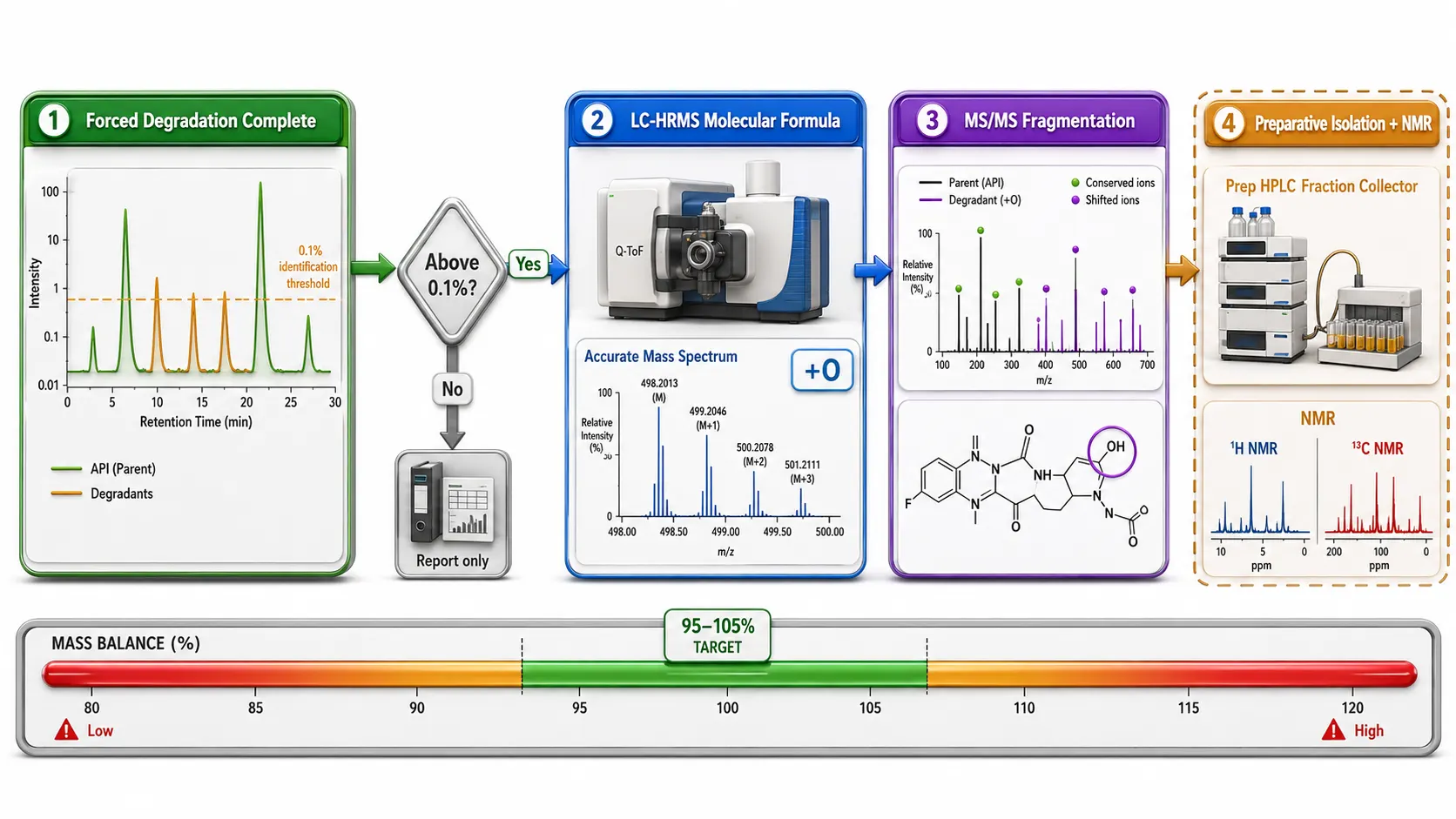 Figure 4: Forced Degradation to Degradant Identification Handoff Workflow
Frequently Asked Questions
Q: How much degradation is enough in a forced degradation study?
A: Target 5–20% loss of the parent drug. Below 5%, the degradant population is too sparse to challenge method specificity. Above 20%, secondary degradation products begin to dominate, and these are rarely relevant to normal storage conditions.
Q: What if the drug substance shows no degradation under any stress condition?
A: Document this thoroughly — the molecule is inherently stable — but ensure the stress conditions were genuinely severe enough. If 1N HCl at 80°C for 7 days produces no degradation, the study is valid. However, confirm that degradation is not being masked by poor analytical detection: check for non-UV-active products, volatile species, and chromatographic blind spots.
Q: How does the 2025 consolidated ICH Q1 draft change forced degradation expectations?
A: The draft formally separates stress testing from forced degradation testing as distinct activities, expands scope to biologics and ATMPs, and integrates QbD principles. The regulatory expectation is shifting from "document that stress was performed" to "demonstrate mechanistic understanding of degradation pathways." Final adoption is expected in 2026.
Q: Is mass balance above 95% always achievable?
A: No. Legitimate mass deficits arise from volatile degradants, non-UV-active species (H2O, CO2, HCl), and response factor differences. What matters is identifying and explaining the source of the deficit, not achieving an arbitrary number. Regulatory reviewers accept well-documented mass balance in the 90–95% range when the explanation is scientifically sound.
Q: Can forced degradation predict long-term stability shelf life?
A: Only as supportive data, never as a substitute for real-time long-term stability studies. Arrhenius modeling from thermal stress data can estimate degradation rates at storage temperatures, but the prediction must be validated against actual long-term data. The 2025 ICH Q1 draft formalizes this distinction: forced degradation maps pathways; long-term studies establish shelf life.
Q: What is the difference between forced degradation of drug substance vs drug product?
A: Drug substance studies map the intrinsic degradation chemistry of the molecule. Drug product studies add the dimensions of excipient interactions, manufacturing process effects, and packaging influence. A drug product placebo control (excipients without API) is essential: excipient degradation peaks must be distinguished from drug-related degradants.
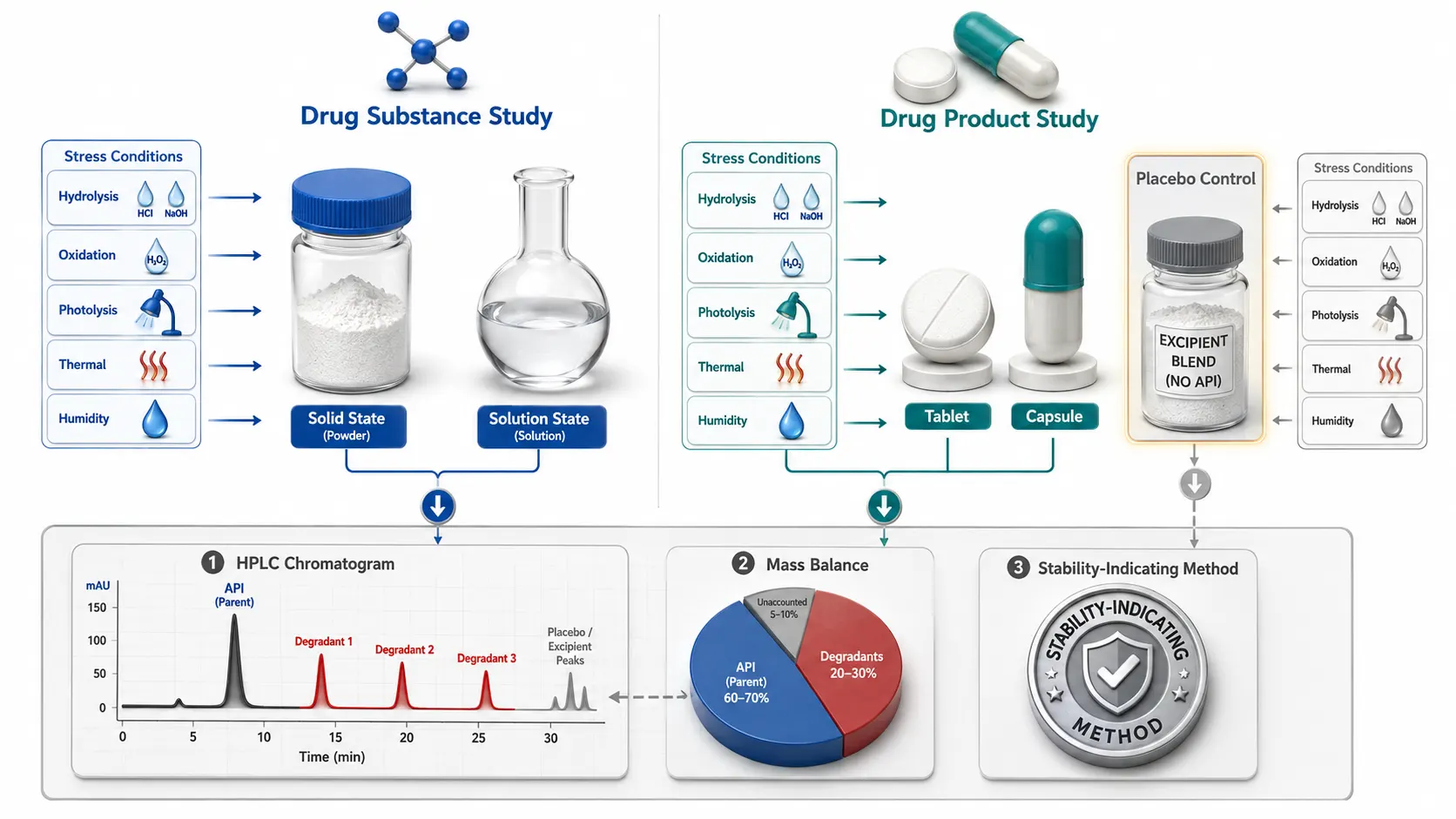 Figure 5: API vs Drug Product Stress Study Design Comparison
References
- ICH Harmonised Guideline Q1A(R2): Stability Testing of New Drug Substances and Products. ICH, 2003. https://database.ich.org/sites/default/files/Q1A(R2)%20Guideline.pdf
- ICH Draft Consolidated Guideline Q1: Stability Testing of New Drug Substances, Drug Products, Biotechnological Products and Advanced Therapies. ICH, April 2025 (Step 2). https://www.ich.org/page/quality-guidelines
- ICH Harmonised Guideline Q2(R2): Validation of Analytical Procedures. ICH, 2023. https://database.ich.org/sites/default/files/ICH_Q2(R2)_Guideline_2023_1108.pdf
- ICH Harmonised Guideline Q3A(R2): Impurities in New Drug Substances. ICH, 2006. https://database.ich.org/sites/default/files/Q3A(R2)%20Guideline.pdf
- ICH Harmonised Guideline Q3B(R2): Impurities in New Drug Products. ICH, 2006. https://database.ich.org/sites/default/files/Q3B(R2)%20Guideline.pdf
- ICH Harmonised Guideline Q1B: Photostability Testing of New Drug Substances and Products. ICH, 1996. https://database.ich.org/sites/default/files/Q1B%20Guideline.pdf
- USP General Chapter <1086>: Impurities and Forced Degradation Studies. United States Pharmacopeia. https://www.usp.org/events-training/course/impurities-and-forced-degradation-studies-classroom
- Campbell J. Assessing Mass Balance in Stress Testing (Forced Degradation) Studies. Science of Stability Conference, Philadelphia, May 19-21, 2025. https://www.lhasalimited.org/events/science-of-stability-2025/
- Baertschi S, Alsante K, Reed R. Pharmaceutical Stress Testing: Predicting Drug Degradation. 2nd ed. CRC Press; 2011. https://www.routledge.com/9781439801796
- Lhasa Limited. How to Overcome the Critical Challenges Faced in Forced Degradation Studies. Lhasa Blog, March 2025. https://www.lhasalimited.org/blog/key-challenges-forced-degradation/
Related Services