Why Freeze-Thaw Stability Matters: The Cryoconcentration Cascade
Freezing is not a chemically inert preservation event — it is a physicochemical transformation that fundamentally alters the solution environment of every drug molecule, excipient, and buffer ion in the formulation. When a drug solution or biological matrix freezes, pure water crystallizes first into hexagonal ice lattices, physically excluding all solutes — the API, buffer salts, proteins, surfactants — into progressively shrinking channels of unfrozen liquid between the growing ice crystals. This process, termed cryoconcentration, concentrates all solutes by 10- to 100-fold relative to the original solution. A 1 mg/mL protein solution at room temperature can experience local protein concentrations exceeding 100 mg/mL in the freeze concentrate — a crowded, viscous environment where aggregation kinetics accelerate dramatically. A phosphate-buffered formulation at pH 7.4 can experience a pH shift to 4.1 as Na₂HPO₄ selectively crystallizes as the dodecahydrate, removing the basic buffer species and leaving the acidic NaH₂PO₄ behind. When the sample thaws, some of these freeze-induced changes are irreversible: precipitated API crystals may not re-dissolve, aggregated protein may not re-fold, and coalesced emulsion droplets may not re-disperse.
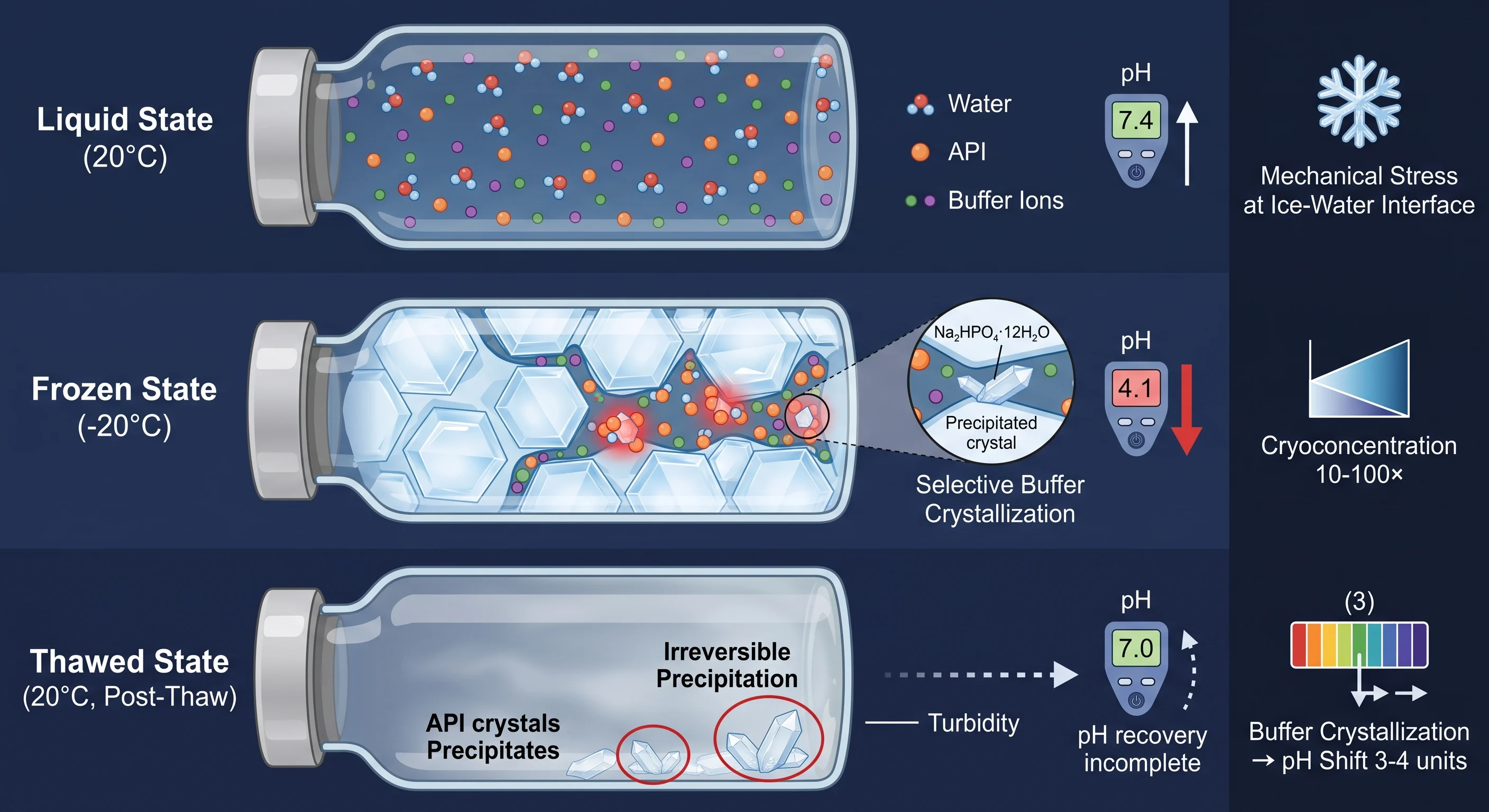 Figure 1: The Cryoconcentration Cascade — What Happens at the Molecular Level During Freeze-Thaw
Freeze-thaw stability testing is the experimental program that quantifies whether a drug product, drug substance, or biological sample can survive this cascade without unacceptable loss of potency, purity, or physical integrity. It is required at two distinct stages of drug development, governed by two distinct regulatory frameworks: ICH Q1A(R2) for pharmaceutical product stability (drug substance and drug product stress testing, including freeze-thaw as a stressed condition), and ICH M10 for bioanalytical method validation (ensuring that analyte concentrations measured in clinical samples are not biased by freeze-thaw degradation during sample storage and handling). The experimental designs, acceptance criteria, and failure responses differ between the two frameworks, but the underlying science — the cryoconcentration cascade — is the same.
Freeze-Thaw in Pharmaceutical Stability Programs: ICH Q1A(R2) and Beyond
ICH Q1A(R2) does not prescribe a standalone freeze-thaw protocol for drug products — freeze-thaw is evaluated within the broader stress testing and accelerated stability framework. For drug substances, stress testing (forced degradation) includes temperature excursions that may encompass freeze-thaw cycling if the intended storage condition includes refrigerated or frozen storage. For drug products, thermal cycling studies — typically from -20°C to 25°C or from 2-8°C to 40°C, repeated for 3-5 cycles — are conducted to simulate distribution-chain temperature excursions. A biologic drug product labeled "Store at 2-8°C. Do not freeze" that is accidentally frozen during transport and subsequently thawed at the clinical site pharmacy is a real-world freeze-thaw event that the stability program must anticipate and characterize.
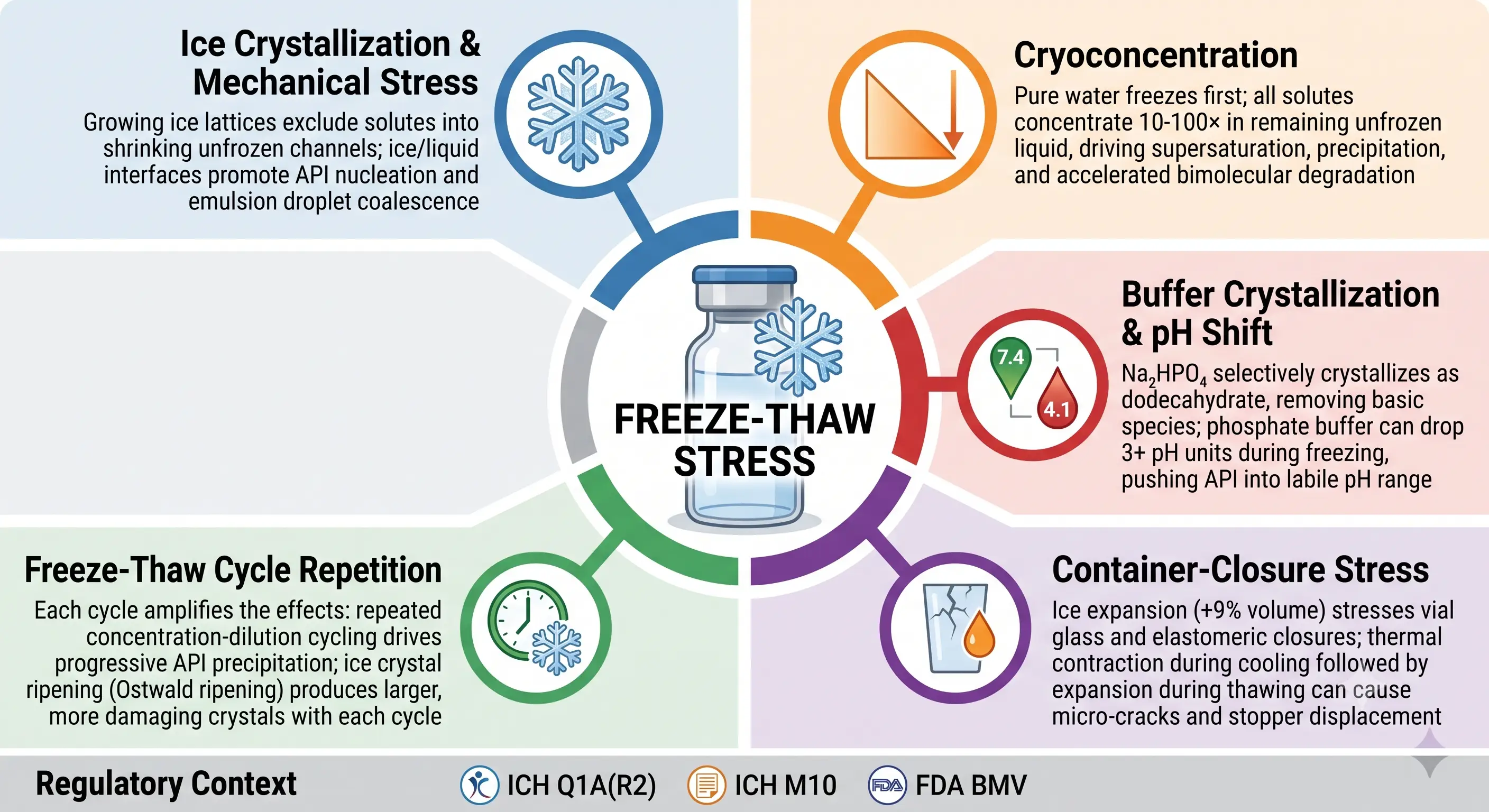 Figure 2: Freeze-Thaw Degradation Mechanisms — The Five Physicochemical Stress Pathways
The pharmaceutical freeze-thaw assessment is product-specific rather than protocol-prescribed. For a lyophilized product reconstituted before administration, freeze-thaw cycling of the reconstituted solution is a clinically relevant stress condition. For a frozen bulk drug substance stored at -20°C or -80°C, repeated freeze-thaw of a single container is not typically recommended (single-use aliquoting is the operational control), but the initial freezing rate, the frozen storage duration, and the thawing procedure are all stability-relevant parameters that must be defined and controlled. The container-closure system — glass vial, rubber stopper, aluminum seal — experiences mechanical stress from ice expansion (+9% volume), and the glass transition temperature of the rubber stopper (-55°C to -60°C for butyl rubber) can be crossed during -80°C storage, causing temporary loss of sealing elasticity and potential container-closure integrity failure.
For drug products that are solutions or suspensions stored in a frozen state as their primary presentation, freeze-thaw stability becomes a primary stability program parameter, not a stress-testing afterthought. The short-term and long-term stability study framework under ICH Q1A(R2) provides the regulatory architecture within which freeze-thaw evaluation is positioned — whether as a stress test, an accelerated condition, or part of the primary long-term stability protocol depending on the intended storage condition.
Cryoprotectant Strategies: Selecting the Right Stabilizer
The choice of cryoprotectant is not a formulation afterthought — it is the single most consequential decision for freeze-thaw-stable drug product design. Cryoprotectants work by two distinct mechanisms: preferential exclusion (the cryoprotectant is preferentially excluded from the protein surface, increasing the protein's chemical potential and favoring the native folded state) and vitrification (the cryoprotectant forms an amorphous glass that immobilizes the protein and prevents aggregation). The choice of cryoprotectant — and equally importantly, the choice to not use a particular cryoprotectant — must be informed by the physical chemistry of the frozen state.
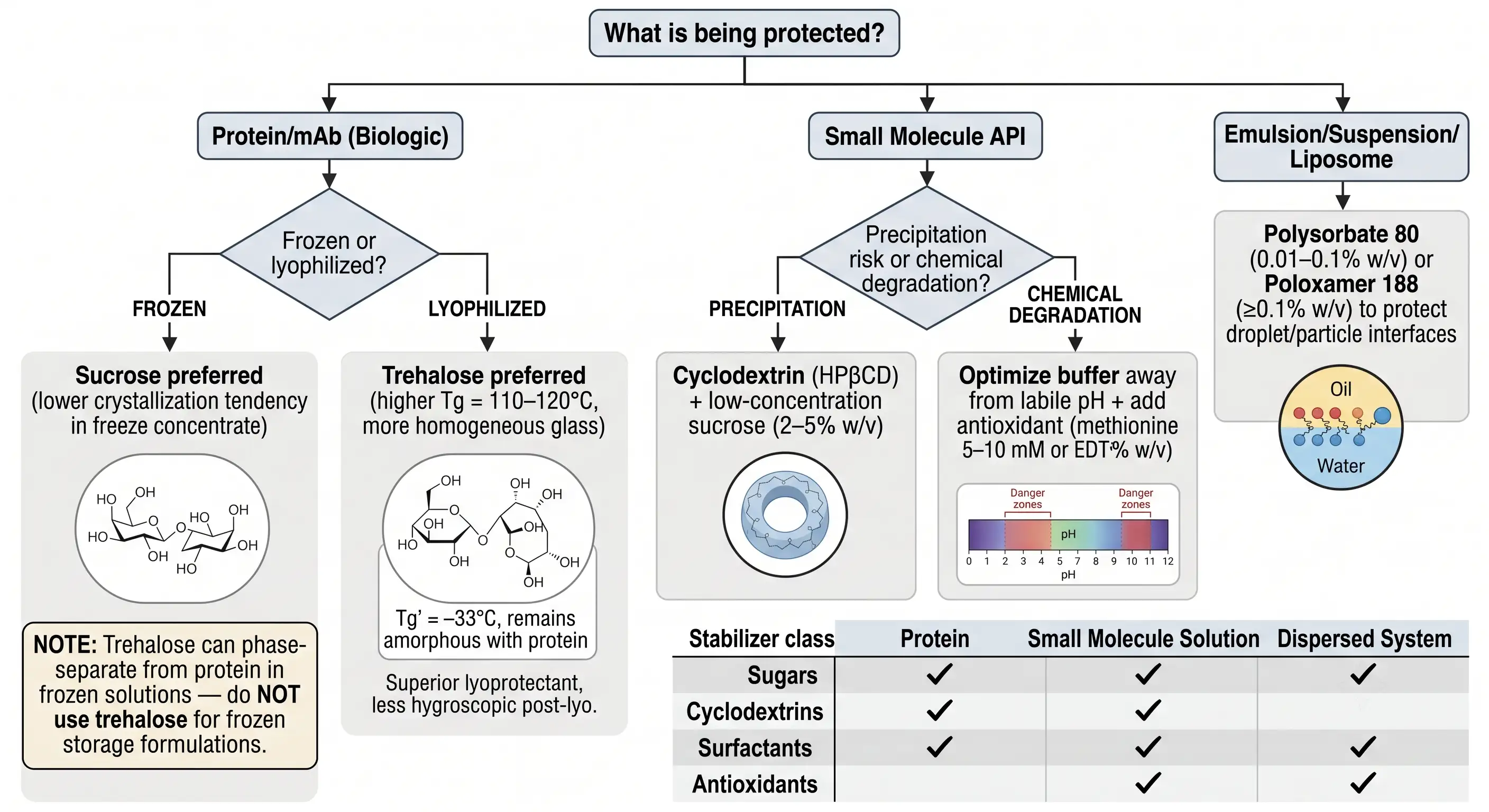 Figure 3: Cryoprotectant Decision Tree — Selecting the Right Stabilizer for Freeze-Thaw Protection
For frozen biologic formulations (proteins, monoclonal antibodies, peptides), sucrose at 5-10% w/v is the industry-standard cryoprotectant. Sucrose has a glass transition temperature of the maximally freeze-concentrated solution (Tg') of -33°C — clinically relevant because it remains fully amorphous in the freeze concentrate throughout typical frozen storage (-20°C to -80°C) and does not crystallize. Trehalose, despite its superior properties as a lyoprotectant (Tg of the dried glass = 110-120°C, less hygroscopic post-lyophilization), has a critical limitation in frozen solutions: it can phase-separate from protein, forming trehalose-rich domains and protein-rich domains that negate the protective effect of preferential hydration. The practical rule: sucrose for frozen storage, trehalose for lyophilized products.
For small-molecule APIs, cryoprotection strategy depends on the dominant failure mode. If the failure is precipitation (API concentration in the freeze concentrate exceeds the solubility limit at the reduced freeze-concentrate pH), a cyclodextrin (HPβCD at 5-10% w/v) provides solubilization through host-guest complexation, combined with low-concentration sucrose (2-5% w/v) as a bulk cryoprotectant that reduces the extent of cryoconcentration by increasing the unfrozen water fraction. If the failure is chemical degradation accelerated by the pH shift in the freeze concentrate, the corrective action is buffer optimization — switching from phosphate (which selectively crystallizes) to citrate, histidine, or Tris buffers that remain amorphous and do not fractionate during freezing — plus an antioxidant (methionine 5-10 mM or EDTA 0.01% w/v) if the degradation is oxidative. If the failure is emulsion or liposome coalescence, the cryoprotectant is a surfactant — Polysorbate 80 (0.01-0.1% w/v) or Poloxamer 188 (≥0.1% w/v) — that protects the oil-water or lipid-water interface from ice crystal mechanical disruption.
Bioanalytical Freeze-Thaw Validation: The ICH M10 Framework
In the bioanalytical context, freeze-thaw stability validation answers a narrower but equally critical question: does the analyte concentration measured in a thawed clinical plasma/serum/blood/urine sample equal the concentration at the time of collection? Every clinical PK sample that is frozen at the clinical site, shipped frozen to the bioanalytical laboratory, thawed for aliquot preparation, re-frozen for storage, and thawed again for extraction has undergone multiple freeze-thaw cycles before the LC-MS/MS instrument ever sees it. ICH M10 requires experimental demonstration that the measured concentration after this freeze-thaw history is within ±15% of the nominal concentration.
ICH M10 positions freeze-thaw stability as one of the six core stability types required during full method validation, alongside benchtop stability, long-term frozen storage stability, autosampler stability, stock solution stability, and processed sample stability. The regulatory expectation is that freeze-thaw stability is validated before study sample analysis begins — it is not a post-hoc experiment that can be deferred until after the study. If a method is validated without freeze-thaw data and clinical samples are subsequently analyzed, the bioanalytical laboratory is operating with an incomplete validation package, and the resulting concentration data are vulnerable to regulatory challenge.
The bioanalytical freeze-thaw evaluation is informed by — but distinct from — the stability evaluations performed on drug product formulations. A drug product that survives 5 freeze-thaw cycles with no loss of potency does not guarantee that the same drug spiked into human plasma at 50 ng/mL will survive 3 freeze-thaw cycles without degradation. The biological matrix introduces enzymes (plasma esterases, proteases), binding proteins (albumin, α₁-acid glycoprotein), and surface-active components (lipids, lipoproteins) that can alter the freeze-thaw degradation kinetics relative to the drug product matrix. The bioanalytical matrix stability testing framework addresses all six stability types as an integrated package; freeze-thaw is one component whose results must be interpreted in the context of the full stability data set.
Multi-Cycle Experimental Design: The 3-Cycle Protocol in Practice
The standard bioanalytical freeze-thaw experiment design per ICH M10 is deceptively simple in outline and demanding in execution. QC samples at low (QC-L, typically 3× LLOQ) and high (QC-H, typically 80% of ULOQ) concentration levels are prepared in the target biological matrix at the same nominal concentrations used for method validation accuracy/precision runs. A minimum of 6 replicates per level are prepared — 3 for the freeze-thaw evaluation and 3 as fresh controls (though some protocols prepare all 6 for freeze-thaw, pulling 2 per cycle). The freeze-thaw samples are frozen at the intended storage temperature (-20°C ± 5°C or nominal -70°C/-80°C) for a minimum of 12 hours — a period that ensures complete freezing of the matrix, including the eutectic freezing of soluble salts. Incomplete freezing (<12 hours for a 1-2 mL plasma aliquot in a standard cryovial) leaves a liquid core that has not experienced the full cryoconcentration stress, producing a falsely optimistic result.
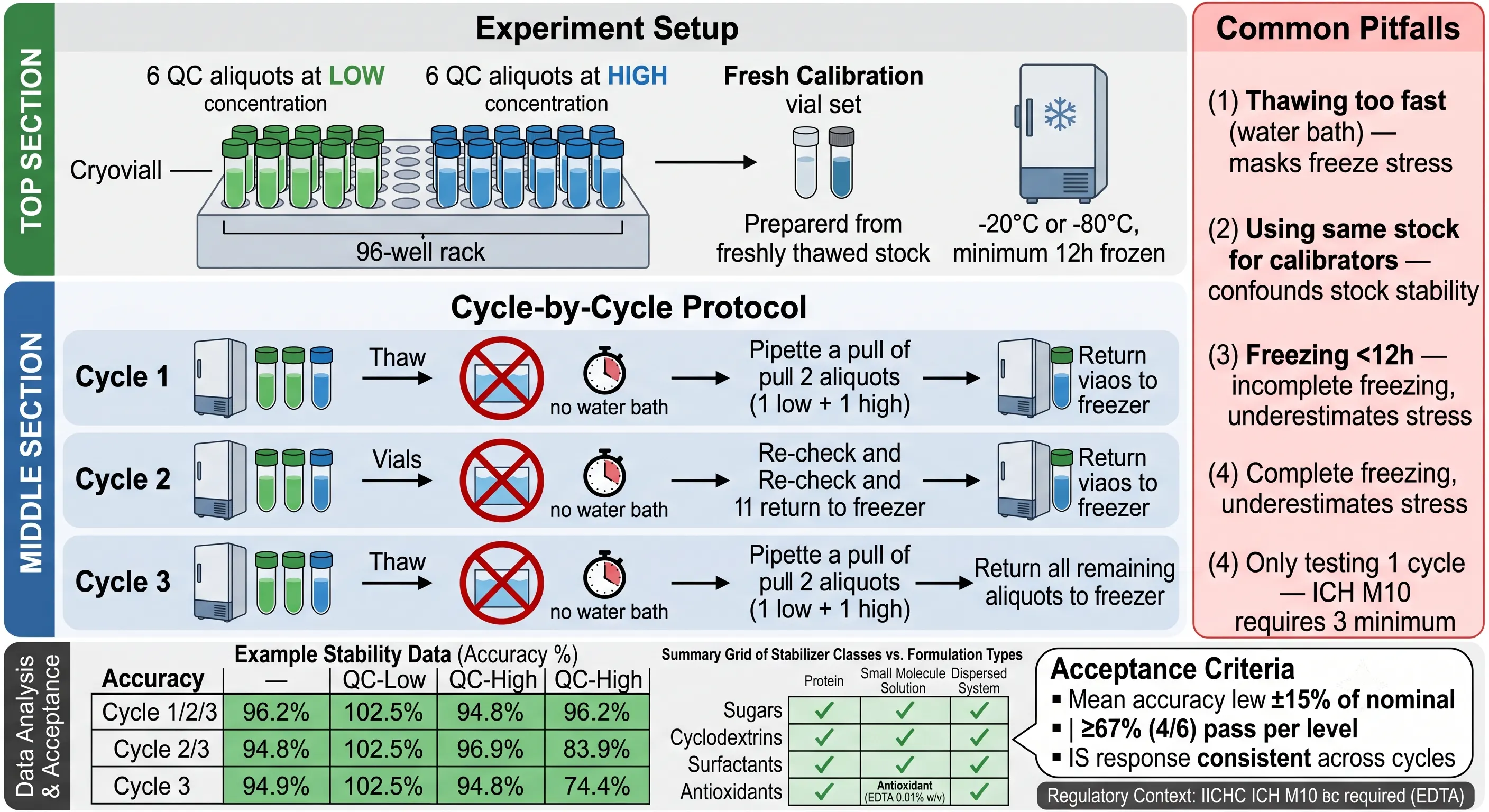 Figure 4: Bioanalytical Freeze-Thaw Validation — The 3-Cycle Experimental Design per ICH M10
Thawing is unassisted — the frozen vials are placed on the laboratory bench at room temperature and allowed to thaw without a water bath, without vortexing, and without manual agitation. This is not an arbitrary prohibition: water bath thawing at 37°C reduces the thawing time from 60-90 minutes to 5-10 minutes, dramatically shortening the period during which the sample exists in the partially thawed, maximally cryoconcentrated state. A compound that is labile in the freeze concentrate for 60 minutes but stable for 10 minutes would pass a water-bath-thawed experiment and fail a real-world benchtop thaw — and it is the real-world condition that the clinical samples will experience. The unassisted thaw at room temperature is the regulatory expectation because it is the clinically representative condition.
After each complete cycle (freeze ≥12h + unassisted thaw), one set of low and high QC aliquots is removed for analysis alongside freshly prepared calibration standards and freshly thawed QC samples that have not undergone freeze-thaw cycling. The comparison is always against freshly prepared calibrators from freshly thawed stock solutions — using calibrators that have themselves undergone freeze-thaw confounds calibrator stability with sample stability. After aliquots are pulled for analysis, the remaining vials are returned to the freezer for the next cycle. The experiment concludes after Cycle 3, when all remaining aliquots are analyzed.
For analytes known to be freeze-thaw labile — ester prodrugs in plasma, N-oxide metabolites that undergo reduction, therapeutic peptides with freeze-labile conformations — the 3-cycle protocol may need to be extended to 5 or more cycles to establish the stability window with adequate operational margin. The ICH M10 bioanalytical method validation guideline establishes 3 cycles as the regulatory minimum but explicitly acknowledges that additional cycles may be required when the study workflow involves more than 3 freeze-thaw events. A clinical protocol with an initial PK screening assay, a primary PK analysis, a metabolite re-assay, and an incurred sample reanalysis (ISR) repeat can easily generate 4 freeze-thaw events per sample — and the validation must cover the worst case, not the typical case.
Acceptance Criteria and Failure Troubleshooting
The acceptance criteria for bioanalytical freeze-thaw stability are identical to those for all other bioanalytical stability types under ICH M10: the mean accuracy at each QC concentration level must be within ±15% of the nominal concentration (±20% for ligand-binding assays at the LLOQ), and at least 67% of the total QC replicates (i.e., ≥4 of 6) must individually meet the ±15% criterion. The mean accuracy is calculated as (mean measured concentration / nominal concentration) × 100%. A result of 87.2% accuracy at QC-L in Cycle 3 is a freeze-thaw failure at that condition, even if QC-H passes at 96.5% and Cycle 1 accuracy was 98.3% — the method's freeze-thaw stability is limited to 2 cycles for that concentration level.
When freeze-thaw stability fails — and it will, for at least some analytes in some matrices — the troubleshooting sequence follows a systematic root-cause-to-corrective-action logic:
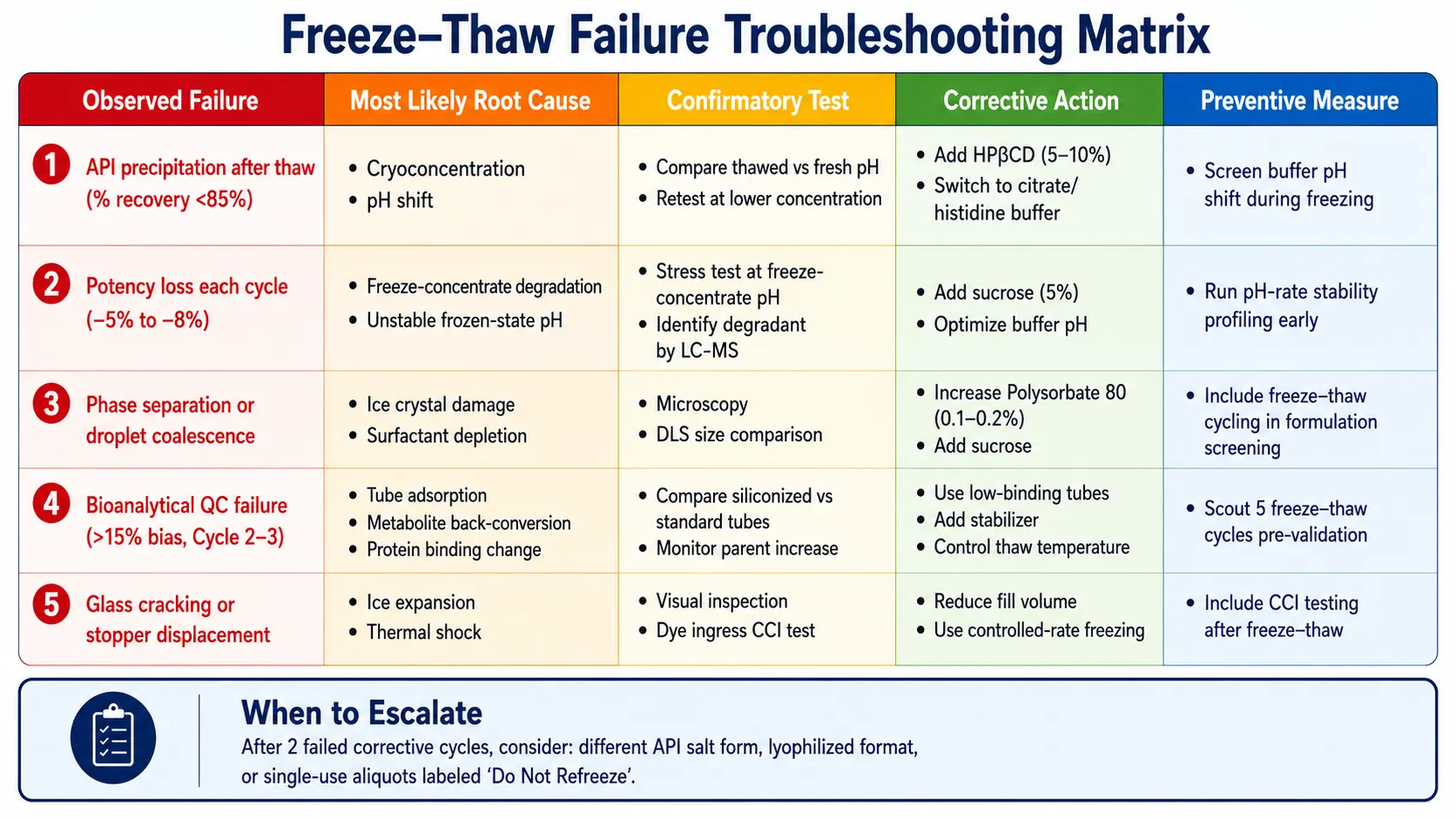 Figure 5: Freeze-Thaw Failure Troubleshooting Matrix — Root Cause to Corrective Action
The most common failure — visible precipitation or a monotonic decline in measured concentration with each successive cycle — is most often caused by cryoconcentration-driven supersaturation exceeding the analyte solubility limit. The confirmatory experiment is a solubility measurement at the estimated freeze-concentrate concentration under the post-thaw pH, and the corrective action is addition of a solubilizing cyclodextrin or a switch to a non-crystallizing buffer. The second most common failure — progressive chemical degradation of 5-8% per cycle — is typically caused by the pH shift in the freeze concentrate pushing the analyte into its pH-labile range, and the corrective action is buffer optimization informed by pre-formulation forced degradation pH-rate profiling.
For bioanalytical freeze-thaw failures where reformulation is not an option (the method must work with clinical samples collected under an existing protocol), the troubleshooting options are more constrained: switching to low-protein-binding tubes if surface adsorption is the root cause, adding a stabilizer cocktail (e.g., dichlorvos for esterase-labile prodrugs, ascorbic acid for oxidation-prone analytes) to the collection tube, adjusting the thawing temperature from room temperature to wet ice (slower thawing, but lower peak temperature — the tradeoff must be empirically evaluated), or, in the limiting case, reducing the protocol-specified freeze-thaw limit to fewer than 3 cycles with explicit sample handling instructions ("single-use aliquots, do not refreeze after initial thaw").
Thermal Cycling Beyond Standard Freeze-Thaw: Distribution-Chain Simulation
Freeze-thaw is one member of a larger family of thermal cycling stresses that drug products and biological samples encounter during their life cycle. Temperature excursion (thermal cycling) studies for drug products simulate the distribution chain: a product labeled "Store at 2-8°C" may experience a -20°C excursion during air transport cargo hold exposure, followed by a return to 2-8°C upon arrival at the destination warehouse, followed by a 40°C excursion during last-mile delivery in a non-refrigerated vehicle, followed by a return to 2-8°C at the pharmacy. Each excursion is a freeze-thaw or freeze-thaw-adjacent stress, and the cumulative effect of multiple excursion cycles is the regulatory question that thermal cycling studies answer.
The design is product-specific rather than protocol-prescribed: the excursion temperatures, durations, and number of cycles are selected to bracket the worst-case conditions documented in the shipping lane qualification or the distribution risk assessment. A typical thermal cycling protocol for a refrigerated biologic might include 3 cycles of -20°C (24 hours) → 2-8°C (24 hours) → 25°C (24 hours) → 2-8°C (24 hours), with analytical testing after each complete cycle. The acceptance criteria are the same as for the primary stability program — the product must remain within specification for appearance, pH, potency, purity, and container-closure integrity after the full thermal cycling regimen.
For bioanalytical samples, temperature excursion during shipment — a -80°C sample that thaws to 4°C during a 48-hour international courier transit before being re-frozen at -80°C at the receiving laboratory — constitutes a freeze-thaw event that must be accounted for in the validated freeze-thaw cycle count. Temperature loggers co-packed with clinical sample shipments are the operational control; if the logger records a temperature above -30°C (the approximate glass transition of plasma), the sample has experienced a partial thaw and should be flagged as a freeze-thaw cycle in the sample tracking documentation.
Freeze-Thaw vs. Other Stability Types: Integrating the Stability Data Package
Freeze-thaw stability data cannot be interpreted in isolation — it must be evaluated alongside the other five bioanalytical stability types to construct a complete picture of sample integrity from collection to injection. A sample that passes freeze-thaw with 98.2% accuracy at Cycle 3 but fails benchtop stability at 12 hours (82.5% accuracy at room temperature) is not a stable sample: the freeze-thaw cycles include a thaw phase at room temperature, and the benchtop failure at 12 hours suggests that the extended room-temperature exposure during the third thaw (60-90 minutes, cumulatively 180-270 minutes across 3 cycles) is not the limiting factor, but rather the room-temperature stability of the compound is inherently limited, and all stability assessments that include a room-temperature component — benchtop, freeze-thaw, and processed sample — need to be re-evaluated with a time restriction.
The regulatory reviewer evaluating a bioanalytical validation report looks for this integrated interpretation, not a checklist of six Pass/Fail results. A validation report that devotes six pages to six separate stability experiments but never draws connections between them — that reports "Freeze-Thaw: Pass — 96.5% at Cycle 3" without noting that the benchtop stability window (4 hours) is shorter than the cumulative thaw time across 3 cycles (3 × 60 minutes = 3 hours, leaving only 1 hour of operational margin for the extraction procedure) — is a technically compliant but scientifically incomplete stability assessment. The best validation reports present the stability data as a coherent narrative: the sample's journey from the patient's arm to the LC-MS/MS autosampler, with each stability experiment validating one segment of that journey and the integrated data set proving that the concentration at the detector equals the concentration at the point of collection.
The short-term and long-term stability studies that govern drug product shelf-life assignment under ICH Q1A(R2) are conceptually parallel to the bioanalytical stability package under ICH M10: both validate that a measurable quality attribute (potency for drug product, analyte concentration for bioanalytical samples) remains within an acceptance range across a defined storage period under defined conditions. The analytical techniques and regulatory frameworks differ; the scientific principle — stability is the experimental proof that time has not altered the thing you are measuring — is the same.
Frequently Asked Questions
Why does phosphate buffer cause pH shifts during freezing?
Disodium hydrogen phosphate (Na₂HPO₄) selectively crystallizes from frozen solution as the dodecahydrate (Na₂HPO₄·12H₂O), removing the basic phosphate species from the unfrozen liquid phase. The more acidic monosodium phosphate (NaH₂PO₄) remains in solution, driving the pH of the freeze concentrate downward by 3-4 units. A phosphate buffer formulated at pH 7.4 can drop to pH 4.1-4.5 during freezing. This pH shift can push the API into a labile pH range where hydrolysis, deamidation, or oxidation rates are accelerated by orders of magnitude. Buffers that do not selectively crystallize upon freezing — such as citrate, histidine, and Tris — are preferred when phosphate buffer pH shift is identified as the root cause of freeze-thaw instability.
How many freeze-thaw cycles does ICH M10 require for bioanalytical validation?
ICH M10 requires a minimum of 3 freeze-thaw cycles for bioanalytical method validation. Each cycle consists of freezing QC samples at the intended storage temperature (-20°C or -80°C) for at least 12 hours, followed by unassisted thawing at room temperature. QC samples at low and high concentrations (minimum 3 replicates each) are analyzed after each cycle against a freshly prepared calibration curve. The 3-cycle requirement reflects the practical reality that clinical study samples may experience multiple freeze-thaw events: an initial screening assay, the primary PK analysis, and a re-assay for metabolite profiling or incurred sample reanalysis (ISR). If the study workflow involves more than 3 freeze-thaw events, additional cycles must be validated.
Which cryoprotectant should I use for frozen biologic formulations — sucrose or trehalose?
Sucrose is the preferred cryoprotectant for frozen storage formulations. Sucrose has a glass transition temperature of the maximally freeze-concentrated solution (Tg') of -33°C, remains amorphous in the freeze concentrate, and does not phase-separate from protein in frozen solution. Trehalose, despite being an excellent lyoprotectant (Tg = 110-120°C in the dried state), can phase-separate from protein in frozen solutions, forming trehalose-rich and protein-rich domains that negate its protective effect. Trehalose should be reserved for lyophilized formulations. For frozen biologic formulations, sucrose at 5-10% w/v is the industry-standard cryoprotectant, often combined with a nonionic surfactant (Polysorbate 80 0.01-0.02% w/v) to protect against ice-water interfacial stress.
Does freeze-thaw stability at -20°C cover storage at -80°C?
Yes. Demonstrating freeze-thaw stability at -20°C covers colder storage at -80°C because -20°C is the more challenging condition: at -20°C, the frozen matrix is near or above its glass transition temperature, residual water remains partially mobile, and degradation rates are faster. If the analyte survives 3 freeze-thaw cycles at -20°C, it will survive the same cycles at -80°C where molecular mobility is effectively arrested. The reverse is not true: stability demonstrated at -80°C does not cover -20°C storage. However, many sponsors validate at the exact storage temperature used in the clinical protocol to eliminate any regulatory ambiguity, even when the scientific bridging argument would be accepted.
What are the most common root causes of freeze-thaw stability failure?
The five most common root causes of freeze-thaw failure are: (1) Cryoconcentration exceeding the API solubility limit, causing irreversible precipitation upon thawing; (2) Phosphate buffer crystallization driving a 3-4 unit pH shift into the API labile range, accelerating hydrolysis; (3) Ice crystal growth mechanically rupturing emulsion droplets or liposomes at the ice-water interface; (4) Surface adsorption of lipophilic analytes to container walls during the thaw phase; and (5) Progressive aggregation of therapeutic proteins driven by repeated exposure to the ice-water interface and freeze-concentrate crowding. Each failure mode has a distinct corrective action: cyclodextrin solubilization, buffer switch to citrate/histidine, surfactant supplementation, siliconized or low-protein-binding tubes, and sucrose-based cryoprotection with Polysorbate 80, respectively.
Can I use a water bath to accelerate thawing during freeze-thaw stability testing?
No. ICH M10 and FDA BMV guidance specify unassisted thawing at room temperature. Water bath thawing or vortex-assisted thawing accelerates the thawing process and reduces the duration of exposure to the freeze-concentrated state, artificially masking the degradative stresses that real-world sample handling imposes. A sample thawed in a 37°C water bath in 5 minutes spends far less time in the partially thawed, cryoconcentrated state than a sample thawing unassisted on the laboratory bench over 60-90 minutes. Using accelerated thawing produces a falsely optimistic stability result and is explicitly listed as a common pitfall in bioanalytical freeze-thaw validation.
References
- ICH Q1A(R2): Stability Testing of New Drug Substances and Products. International Council for Harmonisation; 2003. https://database.ich.org/sites/default/files/Q1A%28R2%29%20Guideline.pdf
- ICH M10: Bioanalytical Method Validation and Study Sample Analysis. International Council for Harmonisation; 2022. https://database.ich.org/sites/default/files/M10_Guideline_Step4_2022_0524.pdf
- FDA Guidance for Industry: Bioanalytical Method Validation. U.S. Department of Health and Human Services; 2018. https://www.fda.gov/files/drugs/published/Bioanalytical-Method-Validation-Guidance-for-Industry.pdf
- Li J, Wang H, Wang L, Yu D, Zhang X. Stabilization effects of saccharides in protein formulations: A review of sucrose, trehalose, cyclodextrins and dextrans. Eur J Pharm Sci. 2024;192:106625. DOI: 10.1016/j.ejps.2023.106625
- van de Merbel NC, Savoie N, Yadav M, et al. Stability: recommendation for best practices and harmonization from the Global Bioanalysis Consortium Harmonization Team. AAPS J. 2014;16(3):392-399. DOI: 10.1208/s12248-014-9573-z
- Goodman K, Mitchell M, Evans AM, et al. Assessment of the effects of repeated freeze thawing and extended bench top processing of plasma samples using untargeted metabolomics. Metabolomics. 2021;17(3):31. DOI: 10.1007/s11306-021-01782-7
- Gomez G, Pikal MJ, Rodriguez-Hornedo N. Effect of initial buffer composition on pH changes during far-from-equilibrium freezing of sodium phosphate buffer solutions. Pharm Res. 2001;18(1):90-97. DOI: 10.1023/a:1011082911917
- Bhatnagar BS, Bogner RH, Pikal MJ. Protein stability during freezing: separation of stresses and mechanisms of protein stabilization. Pharm Dev Technol. 2007;12(5):505-523. DOI: 10.1080/10837450701481157
- Niwa M, Kondo A, Shibutani E, et al. Handling unstable analytes: literature review and expert panel survey by the Japan Bioanalysis Forum Discussion Group. Bioanalysis. 2022;14(3):169-185. DOI: 10.4155/bio-2021-0229
Related Services