Why Bioanalytical Matrix Stability Matters: ICH M10 and FDA BMV Requirements
Every concentration measurement in a pharmacokinetic study — every Cmax, every AUC, every half-life — rests on an assumption the bioanalyst cannot directly verify at the moment of analysis: that the analyte concentration in the sample tube is the same as it was in the patient's vein. Bioanalytical matrix stability testing is the experimental proof of that assumption. It is a required component of regulated bioanalysis under ICH M10 (Section 7.3) and the FDA Bioanalytical Method Validation (BMV) guidance, and no validated bioanalytical method can be submitted in a regulatory dossier without a complete stability data package. When stability fails — a labile prodrug hydrolyzing in whole blood before centrifugation, a peptide adsorbing to the storage tube walls at -20°C, an N-oxide metabolite reducing back to the parent drug in the autosampler — every concentration that the validated method reports is systematically biased, and the PK conclusions drawn from those concentrations are correspondingly unreliable.
The regulatory expectation is unambiguous: all six stability types — benchtop (short-term matrix) stability, freeze-thaw stability, long-term frozen storage stability, autosampler (post-extraction) stability, stock solution stability, and processed sample stability — must be evaluated during method validation, before any study sample is analyzed. ICH M10 further requires that stability be demonstrated under conditions that bracket the actual handling and storage conditions experienced by study samples. If clinical site A centrifuges samples within 30 minutes at 4°C but site B ships whole blood on wet ice with a 2-hour pre-centrifugation hold, the ex vivo blood stability experiment must cover the worst-case 2-hour window. If study samples are stored at -20°C at one site and -80°C at another, both temperatures require stability demonstration (or a scientifically justified bridging argument).
The economic consequence of a stability failure discovered mid-study is not just a protocol deviation — it is the potential loss of every concentration data point from every sample stored beyond the validated stability window. For a Phase III trial with 500 subjects sampled over 18 months, this is a multimillion-dollar event. The practical antidote is a prospectively designed, comprehensively executed stability package that covers the full sample life cycle from collection to final LC-MS/MS injection.
It is worth distinguishing the regulated bioanalytical matrix stability described here from the discovery-stage in vitro compound stability profiling used for early lead optimization. Discovery stability screening — plasma stability, microsomal stability, chemical stability — answers the question "is this compound stable enough to advance?" using pooled matrices and high-throughput formats. Regulated bioanalytical matrix stability answers the question "can I trust the concentration I'm reporting from this specific study sample?" using the exact matrix, exact storage conditions, and exact analyte concentrations of the clinical protocol. Both are stability experiments; their purpose, regulatory weight, and evidentiary standards are fundamentally different.
Benchtop and Matrix Stability: Room Temperature, Wet Ice, and the 4-24h Window
Benchtop stability — also termed short-term matrix stability in ICH M10 — is the most operationally proximate stability experiment. It answers the question: can the analyte survive the laboratory workday? Samples sit on the bench during aliquot preparation, during the thawing step before extraction, and during the extraction procedure itself. The typical evaluation covers room temperature exposure for 4 to 24 hours, plus a wet ice (approximately 4°C) condition for at least the same duration. QC samples at low and high concentration levels (3 replicates each) are prepared in the target matrix, held under the test condition for the specified period, then extracted and analyzed against a freshly prepared calibration curve.
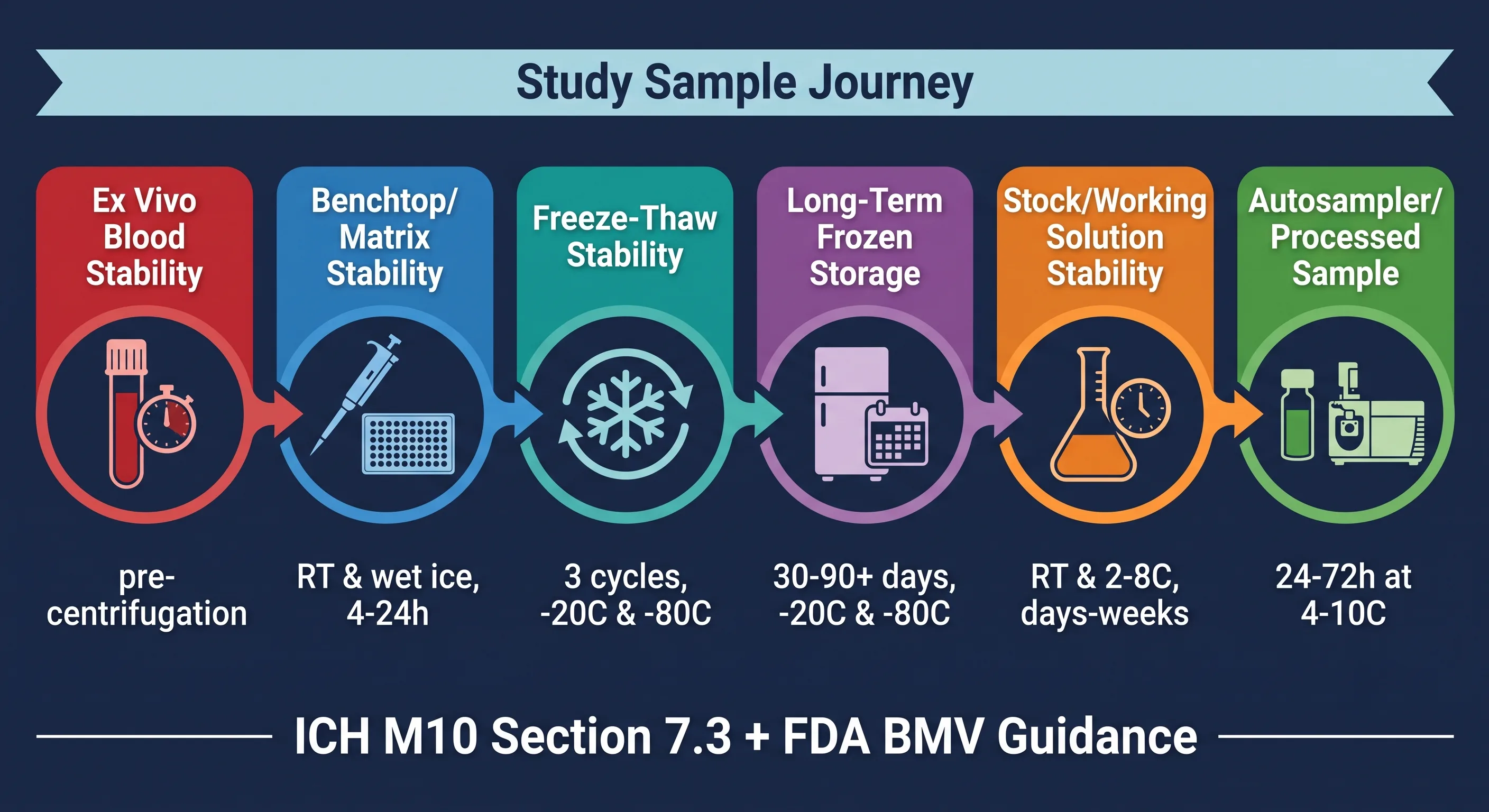 Figure 1: The Six Types of Bioanalytical Matrix Stability — Integrated Workflow from Sample Collection to LC-MS/MS Analysis
The critical operational parameter is that the "bench" — the actual laboratory environment — can vary by 5-10°C between a temperature-controlled bioanalytical lab (21°C) and a less controlled sample processing room (25-27°C). ICH M10 recommends that stability be evaluated at the maximum temperature the samples could realistically encounter. The 4-24h testing window must bracket the maximum period from sample thawing through completion of the extraction batch. For a 96-well plate extraction that takes 4 hours from thaw to dry-down, a 6-hour benchtop stability result provides a comfortable 2-hour operational margin; a 4-hour result with no margin invites a regulatory question during audit.
For light-sensitive analytes — compounds with a photolabile functional group, such as nifedipine and other 1,4-dihydropyridines — benchtop stability must be evaluated under both normal laboratory lighting and light-protected (amber vial / aluminum foil) conditions. A photodegradation loss of 15% over 4 hours under normal laboratory light, with no loss under light-protected conditions, is a manageable finding: it requires a procedural control (protect samples from light during processing) but does not invalidate the method. The same finding without the light-protection arm leaves the laboratory with no practical mitigation strategy.
Freeze-Thaw Stability: 3-Cycle Design, -20C vs -80C, and Cryoprotectant Strategy
Study samples are rarely thawed only once. A clinical PK sample may be thawed for an initial screening assay, re-frozen, thawed again for the primary PK analysis, and thawed a third time for a metabolite re-assay or an incurred sample reanalysis (ISR) repeat. ICH M10 requires a minimum of 3 freeze-thaw cycles, with each cycle consisting of: freeze at the intended storage temperature (-20°C ± 5°C or nominal -70°C/-80°C) for a minimum of 12 hours, followed by unassisted thawing at room temperature (no water bath, no vortex-assisted thawing — these accelerate thawing and mask the stresses of real-world handling). After each cycle, at least 3 replicates at each of two QC concentration levels (low and high) are analyzed against freshly prepared calibrators.
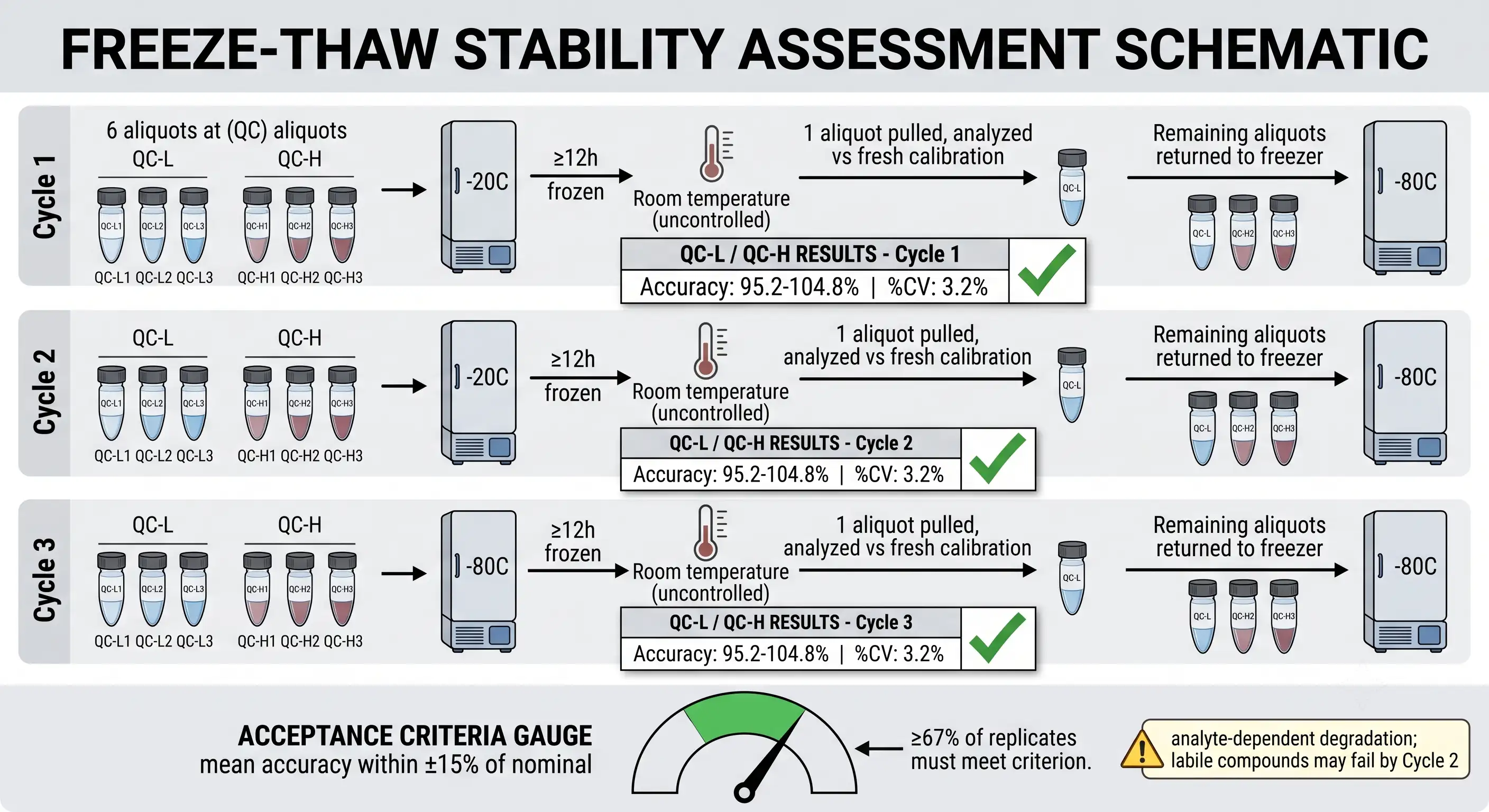 Figure 2: Freeze-Thaw Stability Experiment Design — The 3-Cycle Protocol
The -20°C vs -80°C decision is not merely a freezer choice — it is a stability risk decision. At -20°C, residual water in the frozen matrix remains in a partially mobile state (the glass transition temperature of plasma is approximately -30°C to -35°C), allowing slow enzymatic and chemical degradation. At -80°C, the matrix is below its glass transition, molecular mobility is effectively arrested, and degradation is minimized. The FDA BMV guidance's provision that -20°C stability data "covers" colder storage is scientifically and regulatory sound — if the analyte survives the higher-risk -20°C environment, it will survive -80°C. The practical implication: if the clinical protocol specifies -80°C storage, it is technically acceptable to validate at -20°C (the more challenging condition), but many sponsors and CROs validate at the exact storage temperature used in the study to avoid any regulatory ambiguity.
For large molecules — therapeutic proteins, monoclonal antibodies, and peptides — freeze-thaw stability introduces additional failure modes. Ice crystal formation during freezing can denature proteins at the ice-water interface; repeated freeze-thaw cycling concentrates solutes in the remaining liquid phase, promoting aggregation; and thawing can expose cryptic proteolytic cleavage sites. Cryoprotectant additives (e.g., 5% glycerol, 0.1% Tween-80) added to the collection tube at the clinical site can mitigate these effects, but the cryoprotectant must be shown not to interfere with the LC-MS/MS assay (no ion suppression, no adduct formation, no extraction interference).
Long-Term Frozen Storage Stability: 30-90 Day Protocols and Beyond
Long-term frozen storage stability is the longitudinal experiment that validates the freezer clock. Study samples may sit at -80°C for 6, 12, or 24 months between collection and analysis; the long-term stability data must demonstrate that the analyte concentration at the time of analysis equals the concentration at the time of collection. ICH M10 requires that long-term stability be established for a period equal to or exceeding the maximum time from first sample collection to last sample analysis. The experiment design: QC samples at low, medium, and high concentration levels are prepared in bulk, aliquoted into individual storage tubes (one tube per time point, to avoid repeated freeze-thaw of the same tube), stored at the intended temperature, and analyzed at predetermined intervals — Day 0, 7, 14, 30, 60, 90, and extended time points as needed (180 days, 365 days).
A stability time point is not simply a calendar date — it is a full analytical run with freshly prepared calibration standards and QC samples. Comparing stored samples to a calibration curve that was itself prepared from stored stock solutions conflates stock stability with matrix stability, obscuring which component has degraded. The freshly prepared calibrators serve as the reference point: if the stored QC samples maintain accuracy within ±15% of nominal versus a freshly prepared calibration curve, the storage condition is stability-confirmed through that time point. If the accuracy drifts beyond ±15% at Day 60 but was within ±15% at Day 30, the validated long-term storage period is 30 days — and any study sample stored longer than 30 days requires re-analysis under a stability extension protocol.
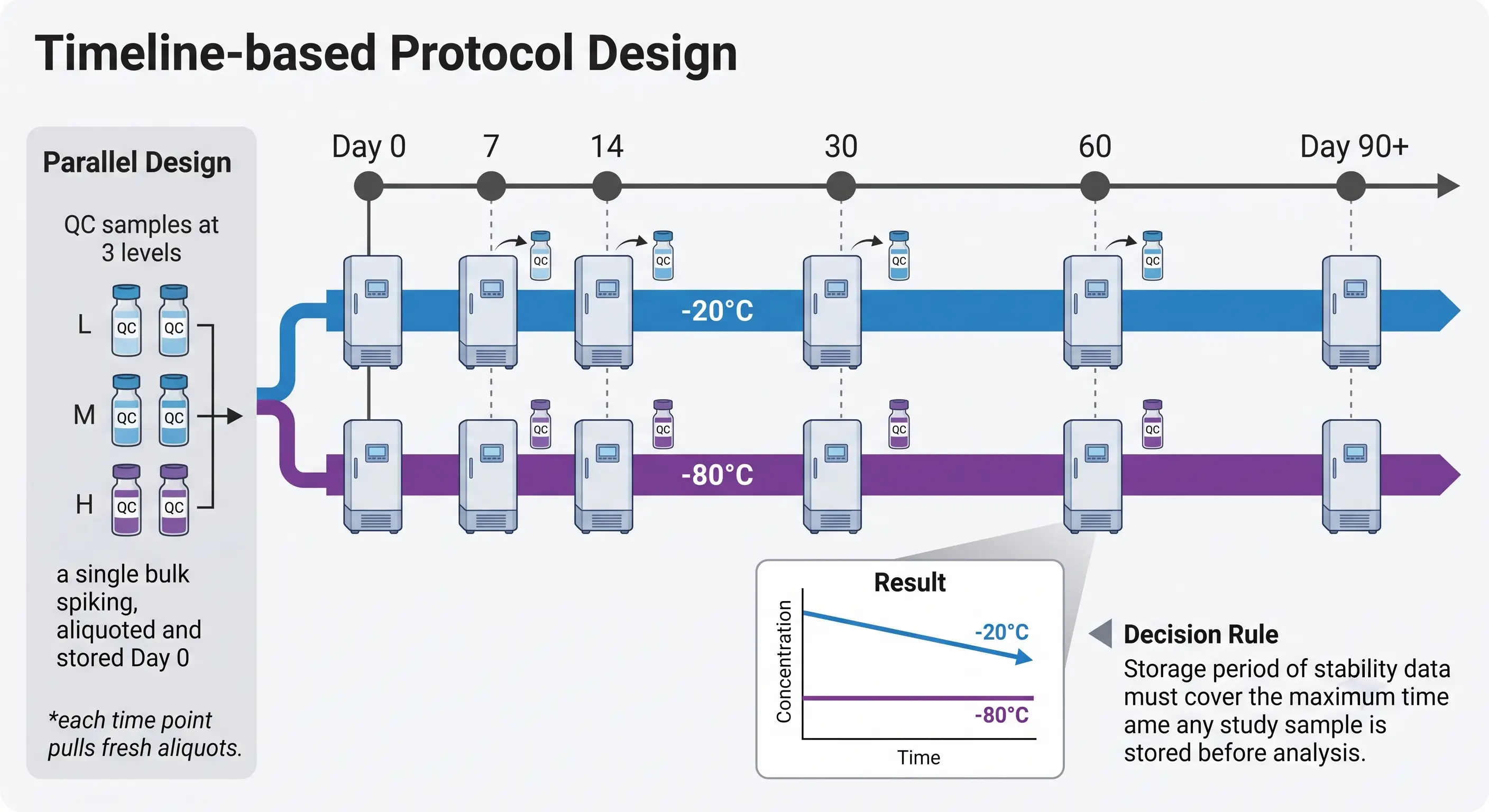 Figure 3: Long-Term Frozen Storage Stability — Protocol Design for -20°C and -80°C
The most common long-term stability failure mode is not bulk chemical degradation — it is surface adsorption. Lipophilic small molecules (logP > 5) and hydrophobic peptides can adsorb to polypropylene tube walls over weeks to months of storage, reducing the effective concentration in the liquid phase without producing a detectable degradation product. The signal: a gradual, monotonic decline in measured concentration with no corresponding rise in a degradant peak. The mitigation: siliconized or low-protein-binding tubes, addition of a compatible organic solvent (e.g., 1% isopropanol) to the storage matrix, or inclusion of a non-specific adsorption blocker (e.g., 0.1% CHAPS detergent). The suitability of any adsorption mitigation strategy must itself be validated — a detergent that prevents peptide adsorption but ion-suppresses the LC-MS/MS signal by 50% exchanges one analytical problem for another.
Autosampler and Processed Sample Stability: Post-Extraction Integrity
Once extracted, samples enter a new chemical environment — the reconstitution solvent, typically a mixture of water, acetonitrile, methanol, and formic acid. This solvent is chemically distinct from the biological matrix, and degradation pathways that were slow or absent in plasma can accelerate in the extraction solvent. Autosampler (post-extraction) stability addresses the period during which extracted samples sit in the autosampler tray at 4-10°C, waiting for injection. The typical evaluation covers 24 to 72 hours, with re-injection of the same extracted samples at multiple time points and comparison of the measured concentration at each time point to the t=0 injection.
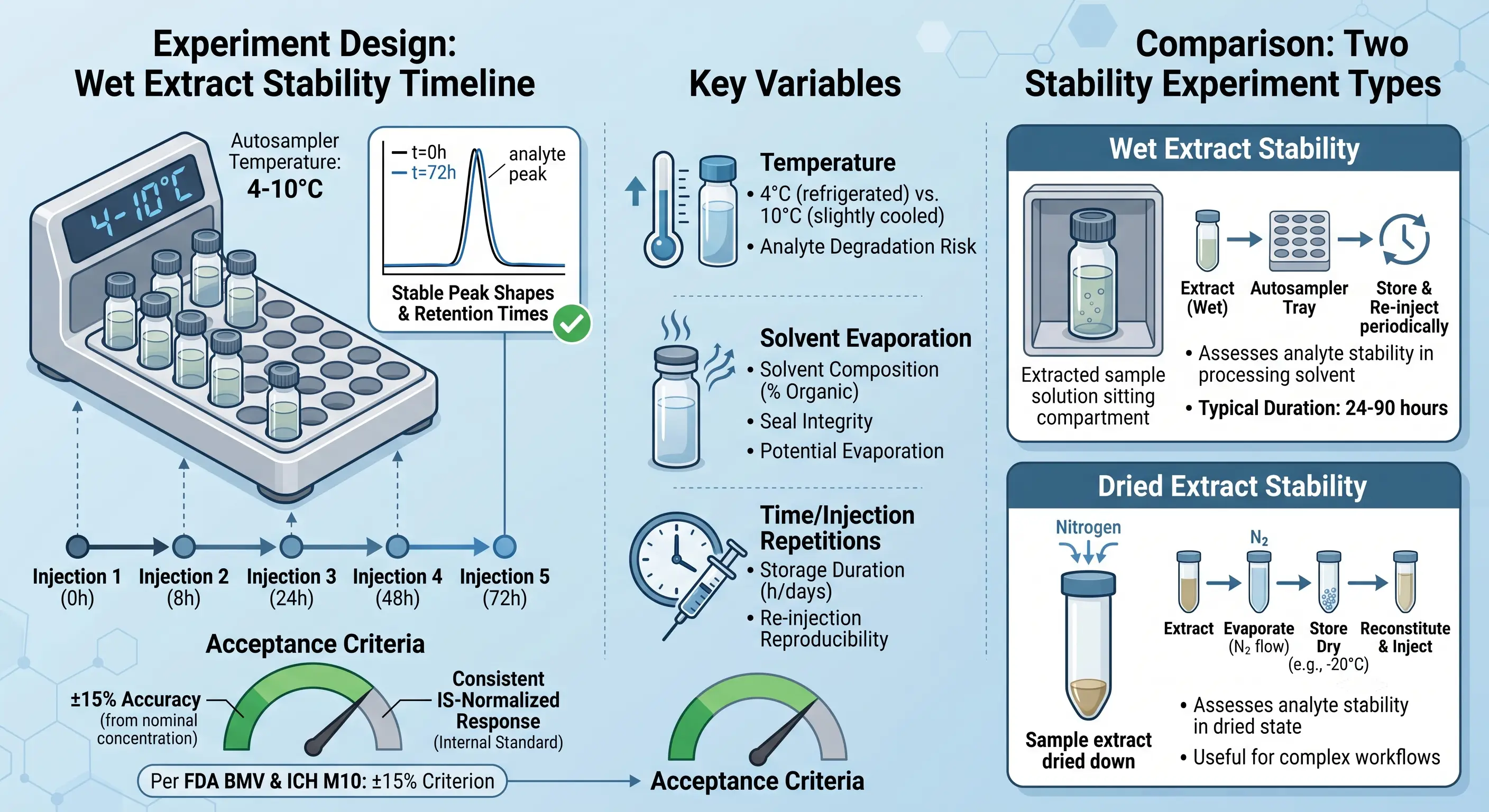 Figure 4: Autosampler and Processed Sample Stability — Post-Extraction Integrity Assessment
The autosampler stability experiment must account for solvent evaporation — a partially sealed 96-well plate loses solvent over 72 hours at 10°C, progressively concentrating the analyte in the remaining volume and producing a false-positive stability result (the concentration appears to increase over time). Sealing the plate with a pierceable silicone/PTFE mat reduces evaporation to negligible levels; using adhesive foil seals that are repeatedly pierced and resealed introduces variable evaporation across wells. The internal standard response ratio (analyte peak area / IS peak area) should remain constant across time points — solvent evaporation concentrates both analyte and IS proportionally, so their ratio stays constant, while a decreasing ratio indicates analyte-specific degradation in the extract and an increasing ratio suggests IS degradation.
Processed sample stability — the stability of dried extracts stored at -20°C or 4°C for later reconstitution and analysis — is a practical consideration for batched bioanalytical workflows. If 10 extraction batches are performed over 2 weeks and all dried extracts are stored at -20°C until a single analytical run at the end of the campaign, the processed sample stability must cover the maximum post-extraction-to-analysis interval (14 days). Dried extracts are generally more stable than wet extracts because the absence of solvent arrests hydrolytic degradation, but the drying process itself can concentrate trace acids or metals that catalyze degradation upon reconstitution.
Stock Solution and Working Solution Stability: The Often-Neglected Component
Every concentration reported in a bioanalytical study is ultimately traceable to a stock solution — a precisely weighed quantity of reference standard dissolved in a defined solvent at a defined concentration. If the stock solution degrades, every calibration standard, every QC sample, and every study sample concentration derived from that stock is systematically biased. Stock solution stability is the first stability experiment in the validation sequence — it must be demonstrated before matrix-based stability experiments can be interpreted, because unstable stocks confound matrix stability assessments.
ICH M10 requires stability evaluation of both the primary stock solution (typically 1 mg/mL in methanol, acetonitrile, DMSO, or a mixed aqueous/organic solvent) and the working solutions (dilutions of the primary stock used to spike calibration standards and QC samples). The evaluation compares a stored stock solution (room temperature and refrigerated, for durations covering the typical stock usage period — 6 hours at room temperature for a single-use working solution, 30 days at 2-8°C for a multi-use primary stock) against a freshly prepared stock solution at the same nominal concentration. Both solutions are diluted to the same working concentration and injected under identical conditions; the response ratio (stored / fresh) must be within ±5% for the stock to be considered stable. A 5% bias in the stock propagates to a 5% bias in every calibration point and every QC — it is the most highly leveraged error in the entire bioanalytical chain.
DMSO stock solutions present a special challenge. DMSO is hygroscopic — it absorbs atmospheric water over repeated vial openings, changing the solvent composition and potentially precipitating hydrophobic analytes. DMSO also freezes at approximately 18°C; stock solutions stored at 2-8°C in DMSO may partially freeze, creating concentration gradients within the vial. The practical control: aliquot the primary DMSO stock into single-use volumes in amber glass vials with PTFE-lined caps, store at room temperature in a desiccator, and discard after one use — eliminating the variable of repeated freeze-thaw and water absorption.
Ex Vivo Blood and Whole Matrix Stability: Before the Centrifuge Spins
Ex vivo blood stability addresses the critical window between the phlebotomist withdrawing the needle and the centrifuge separating plasma from red blood cells. During this window, the analyte is in contact with whole blood — a metabolically active matrix containing esterases, proteases, oxidoreductases, and red blood cell uptake transporters. For ester prodrugs (e.g., tenofovir disoproxil fumarate, dabigatran etexilate), whole blood esterase activity can hydrolyze 50-90% of the parent prodrug within 15-30 minutes at room temperature if an esterase inhibitor is not present in the collection tube. The Niwa et al. (2022) Japan Bioanalysis Forum survey identified ester prodrugs as the single most problematic analyte class for ex vivo stability, with 78% of surveyed laboratories reporting at least one stability failure attributable to inadequate ex vivo stabilization.
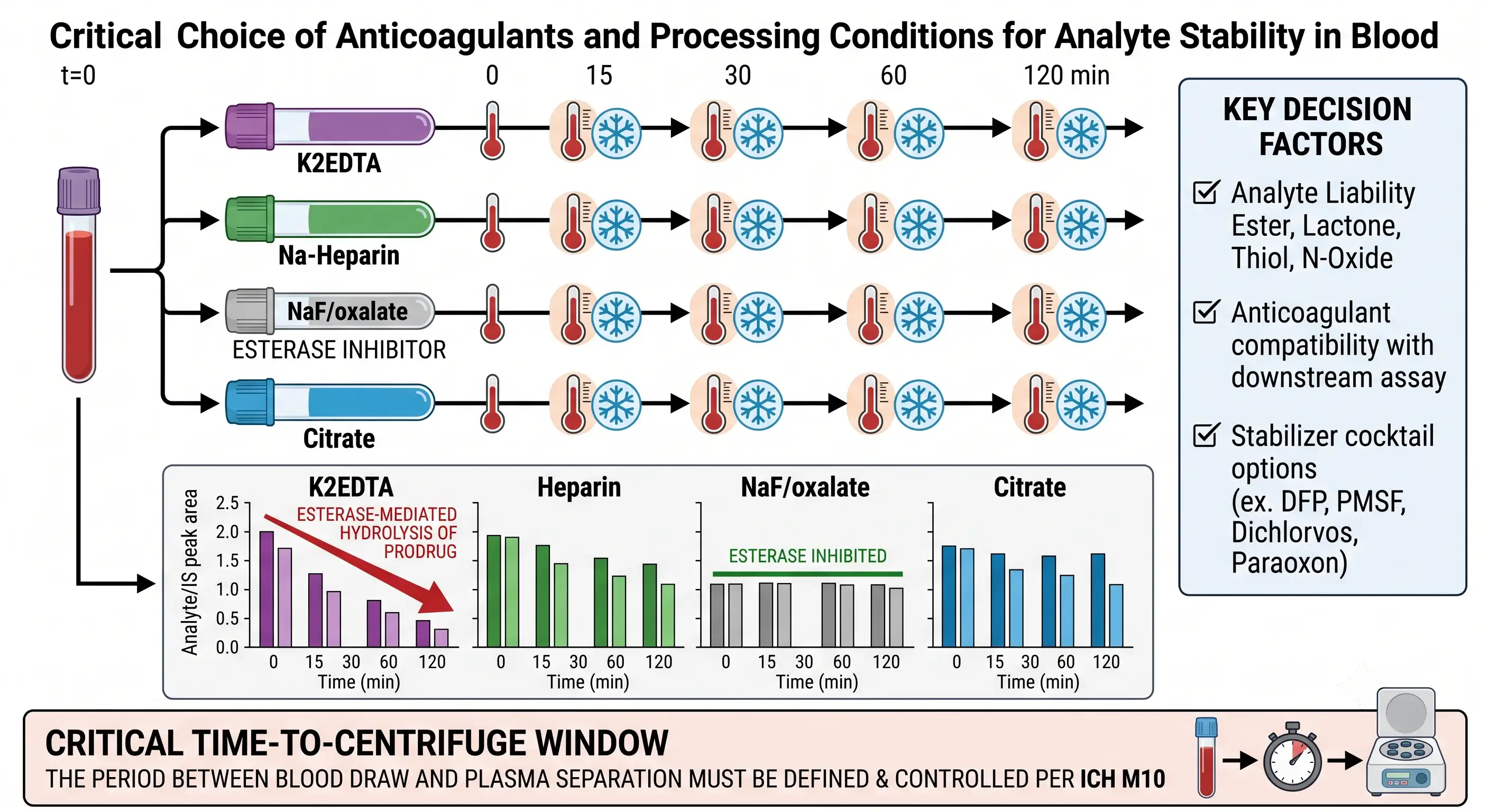 Figure 5: Ex Vivo Blood and Whole Matrix Stability — Before the Centrifuge
The experimental design for ex vivo blood stability is straightforward but execution-dependent: freshly collected whole blood (not banked blood, which has depleted enzyme activity) is spiked with the analyte at a clinically relevant concentration, aliquoted into different anticoagulant/stabilizer tubes (K2EDTA, Na-heparin, NaF/oxalate, citrate), held at room temperature and wet ice, and sampled at multiple time points (0, 15, 30, 60, 120 minutes). At each time point, plasma is separated by centrifugation and analyzed. The anticoagulant choice is not neutral — NaF inhibits enolase (glycolysis) but not esterases; K2EDTA chelates calcium but has minimal effect on most drug-metabolizing enzymes; proprietary stabilizer cocktails (e.g., dichlorvos for esterase inhibition, PMSF for serine protease inhibition) can be added to the collection tube but must be validated for LC-MS/MS compatibility. The NaF/oxalate "grey-top" tube is the most commonly used stabilizer tube for labile small molecules, but it is not universally effective — it has negligible inhibitory effect on CYP-mediated or UGT-mediated metabolism, which continues in whole blood ex vivo regardless of the collection tube.
For bioanalytical studies supporting regulated short-term and long-term stability testing of drug substances and products, the stability of the biological matrix is the foundation upon which all concentration data rests. The full stability evaluation integrates six types of experiments across multiple temperatures and time windows, each designed to answer a specific question about analyte survival under a specific handling condition that real study samples will encounter.
Stability Acceptance Criteria, Failure Troubleshooting, and Reporting
ICH M10 Section 7.3 specifies two tiers of acceptance criteria for stability assessment. The primary criterion: the mean concentration at each QC level must be within ±15% of the nominal concentration (±20% for LBA methods at the LLOQ). The secondary criterion: at least 67% of the total QC replicates across all tested conditions must meet the primary criterion. These are conformance tests, not statistical tests — they evaluate whether the observed bias exceeds a predefined regulatory threshold, not whether the bias is statistically significantly different from zero.
When stability fails — a QC level at a particular condition and time point exceeds the ±15% bias limit — the response is not to repeat the experiment until it passes. The correct sequence is: (1) rule out an analytical error (injection failure, calibration error, IS response anomaly) by re-analyzing the failed samples in a repeat injection; (2) if the failure is confirmed analytically, evaluate whether the failure is concentration-dependent (did both low and high QC fail, or only low, suggesting adsorption?) and whether the failure is monotonic with time (is the bias increasing at each successive time point?); (3) if the bias is progressive and concentration-dependent, the stability at that condition is limited to the last passing time point — the method may still be usable but with a restricted storage window; (4) if the bias is catastrophic (>25% at all levels at the first stability time point), the storage condition is incompatible with the analyte and a fundamental change is required (different anticoagulant, different storage temperature, addition of a stabilizer, or collection tube redesign).
The stability report in a bioanalytical study report or validation report must present: (a) a summary table listing each stability type, condition, QC levels tested, time points, and result (Pass/Fail with the validated stability duration); (b) the individual replicate data (not just means) so that the reviewer can assess variability; (c) the IS response across time points (demonstrating that IS stability is not confounding the analyte stability assessment); (d) representative chromatograms showing that no new peaks (potential degradation products) appear in the stored samples; and (e) a justification for any bridging argument (e.g., -20°C freeze-thaw data covering -80°C storage). A stability section that reports only mean accuracy without replicate data, or that omits the IS response stability, is a common regulatory deficiency finding — and one that is entirely preventable with thorough documentation at the time of validation.
The ICH M10 bioanalytical method validation guideline integrates stability as one of nine core validation parameters, positioning it alongside accuracy, precision, selectivity, and matrix effect as equally essential elements of a defensible bioanalytical method. When the method that generated the stability data is itself validated on a platform with proven quantitative performance — such as the LC-MS/MS single drug quantification workflow — the stability package becomes a coherent evidentiary chain, not a collection of disconnected experiments.
Frequently Asked Questions
How many freeze-thaw cycles are required for bioanalytical method validation?
Per ICH M10 and FDA BMV guidance, a minimum of 3 freeze-thaw cycles must be evaluated. QC samples at low and high concentrations (at least 3 replicates each) are frozen at the intended storage temperature (-20°C or -80°C) for a minimum of 12 hours, then thawed unassisted at room temperature. After each cycle, one set of aliquots is analyzed against a freshly prepared calibration curve. Mean accuracy must be within ±15% of nominal (±20% at LLOQ) and precision (CV) should not exceed 15%. If the analyte is known to be freeze-thaw labile, additional cycles beyond 3 may be needed to cover the maximum number of freeze-thaw events a study sample could experience.
What is the difference between benchtop stability and processed sample stability?
Benchtop (short-term matrix) stability assesses analyte integrity in the biological matrix (plasma, serum, blood) under laboratory handling conditions — typically room temperature and wet ice for 4-24 hours. Processed sample stability assesses analyte integrity after extraction — the extract sitting in an autosampler vial at 4-10°C for 24-72 hours, or as a dried extract stored at -20°C for later reconstitution. The distinction is operationally critical: a compound stable in plasma at room temperature for 24 hours may degrade in the final extract if the reconstitution solvent promotes hydrolysis or oxidation. Both must be independently validated per ICH M10.
How long must long-term frozen storage stability data cover?
Long-term frozen storage stability must cover the period from the date the first study sample was collected to the date the last study sample was analyzed. For a clinical study spanning 6 months of sample collection followed by 2 months of bioanalysis, long-term stability data must cover at least 8 months at the same storage temperature. ICH M10 specifies that stability should be established for a period equal to or exceeding the maximum storage duration of study samples. At minimum, 30 days of long-term stability data should be available at the time of method validation, and the stability period should be extended as the study progresses.
When is ex vivo blood stability testing required?
Ex vivo blood stability testing is required whenever there is a delay between blood collection and plasma/serum separation that could allow enzymatic or chemical degradation to continue in whole blood. This is particularly critical for ester prodrugs, lactone-containing drugs, N-oxide metabolites, and thiol-containing compounds. ICH M10 states that the time between blood collection and centrifugation must be defined and controlled, and the stability of the analyte in whole blood must be demonstrated for at least the maximum interval that samples will experience. If the protocol specifies centrifugation within 30 minutes of collection, stability must be demonstrated at 0, 15, 30, and 60 minutes to bracket this window.
What are the acceptance criteria for bioanalytical stability testing?
Per ICH M10, the mean accuracy at each QC concentration level must be within ±15% of nominal for chromatographic assays (±20% for LBAs at LLOQ). At least 67% of the total QC replicates (i.e., at least 4 out of 6) should meet the ±15% bias criterion. If a single QC level fails, the stability result is inconclusive and the experiment should be repeated with a larger replicate set. If two or more QC levels fail, the stability duration at that condition is limited to the last passing time point. Consistent internal standard response and absence of new chromatographic peaks are additional stability quality indicators.
Does demonstrating stability at -80°C automatically cover storage at -20°C?
No. The FDA 2018 BMV guidance states that demonstrating stability at -20°C (the warmer, more challenging condition) covers colder storage at -70°C/-80°C. The reverse is not true: stability at -80°C does not cover -20°C storage, because the degradation rate at -20°C may be faster and has not been experimentally confirmed. If the clinical protocol specifies -20°C freezer storage, stability must be explicitly demonstrated at -20°C. Many bioanalytical CROs default to -80°C for long-term storage and separately validate -20°C only if protocol-required.
References
- ICH M10: Bioanalytical Method Validation and Study Sample Analysis. International Council for Harmonisation; 2022. https://database.ich.org/sites/default/files/M10_Guideline_Step4_2022_0524.pdf
- FDA Guidance for Industry: Bioanalytical Method Validation. U.S. Department of Health and Human Services; 2018. https://www.fda.gov/files/drugs/published/Bioanalytical-Method-Validation-Guidance-for-Industry.pdf
- Kaza M, Karazniewicz-Lada M, Kosicka K, Siemiatkowska A, Rudzki PJ. Bioanalytical method validation: new FDA guidance vs. EMA guideline. Better or worse? J Pharm Biomed Anal. 2019;165:381-385. DOI: 10.1016/j.jpba.2018.12.030
- Darekar A, Shinde A, Satpute VM, Ghodake SR. Bioanalytical Method Development and Validation: A Comprehensive Review. Int J Pharm Sci. 2024. DOI: 10.5281/zenodo.14303413
- Niwa M, Kondo A, Shibutani E, et al. Handling unstable analytes: literature review and expert panel survey by the Japan Bioanalysis Forum Discussion Group. Bioanalysis. 2022;14(3):169-185. DOI: 10.4155/bio-2021-0229
- van de Merbel NC, Savoie N, Yadav M, et al. Stability: recommendation for best practices and harmonization from the Global Bioanalysis Consortium Harmonization Team. AAPS J. 2014;16(3):392-399. DOI: 10.1208/s12248-014-9573-z
- Anderson M. Ensuring biological sample integrity from collection to analysis for LC-MS workflows: case studies illustrating challenges in clinical trials. Bioanalysis. 2019;11(20):1859-1866. DOI: 10.4155/bio-2019-0176
- Nunsavathu SN, Thangabalan B. A RP-HPLC approach to Bioanalytical Method Development and Validation: A Review. Asian J Pharm Anal. 2024;14(1):47. DOI: 10.52711/2231-5675.2024.00009
Related Services